
No. While it makes learning easier, many riders continue using it for casual sessions, family use, or teaching friends.


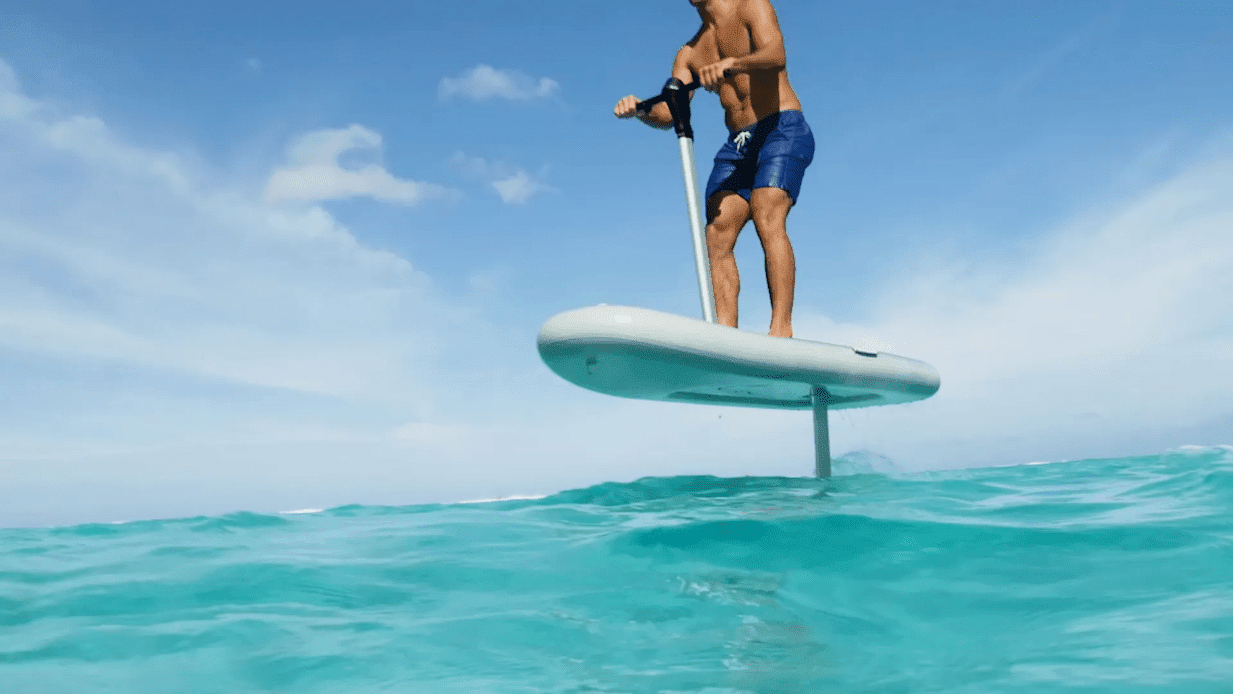
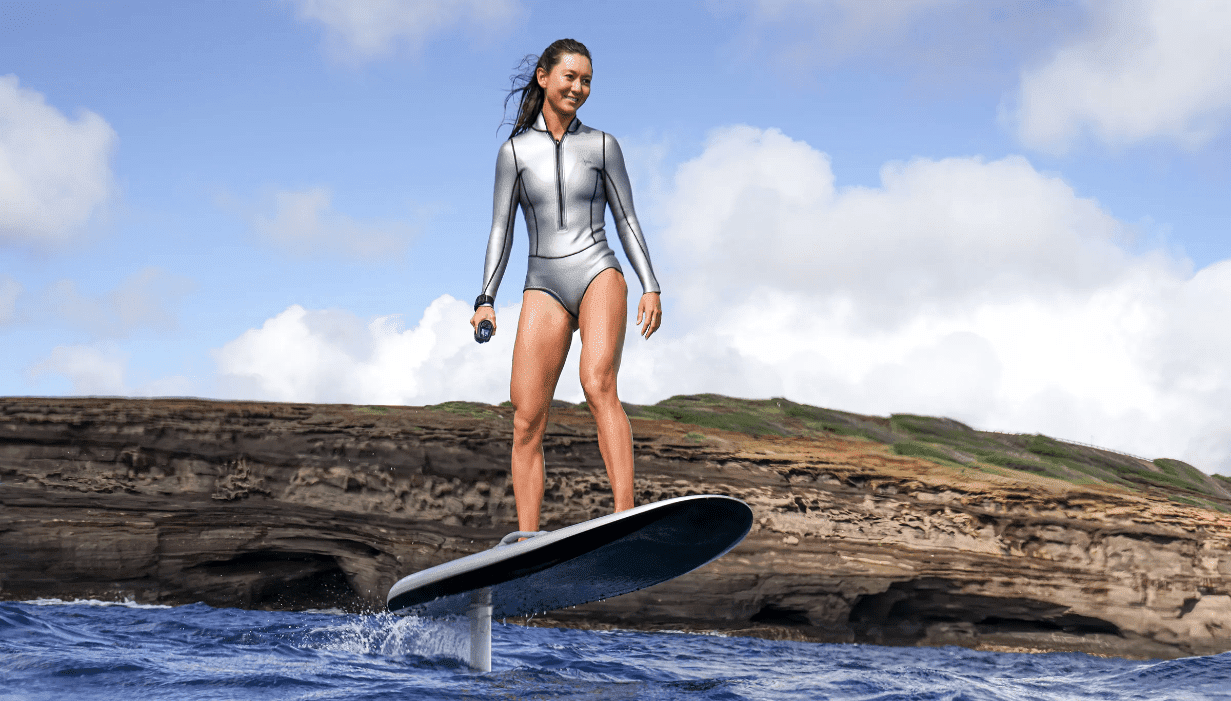
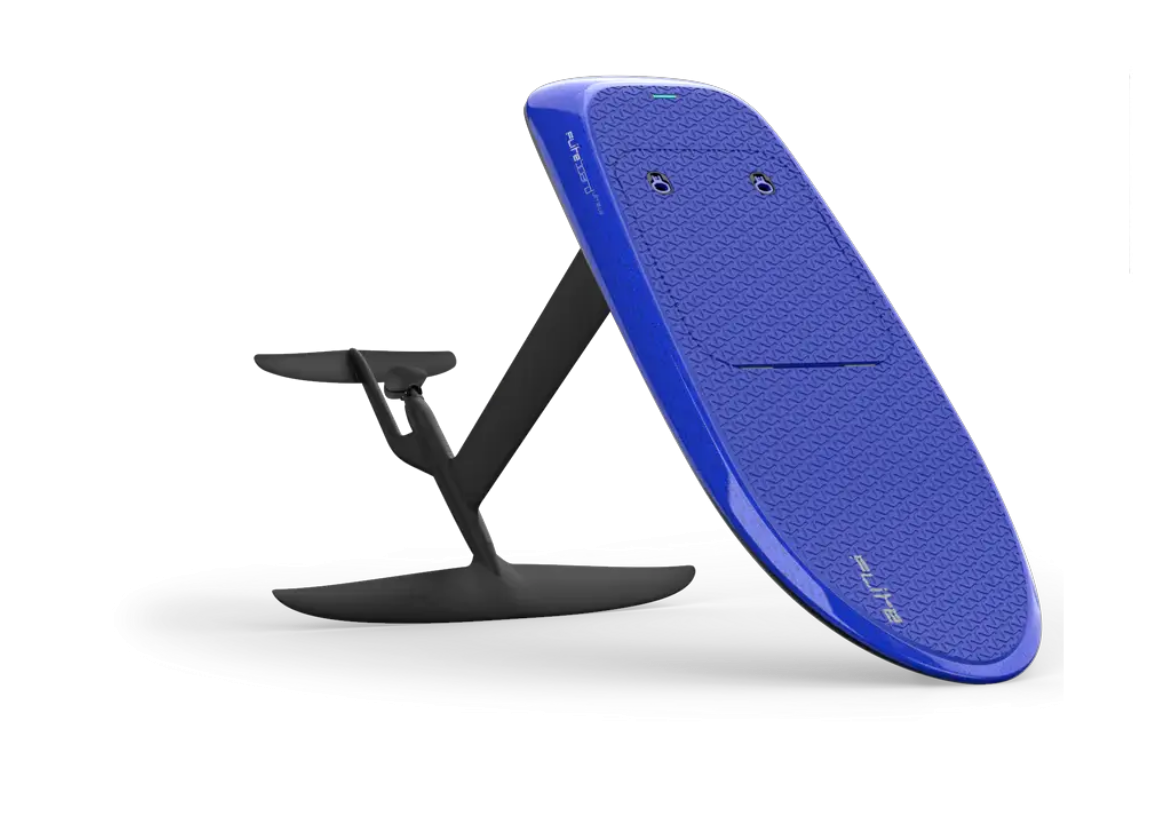
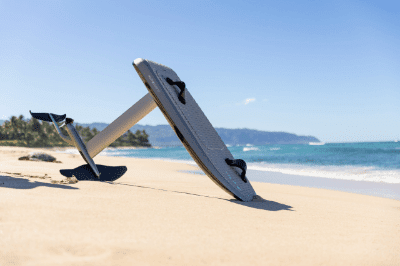
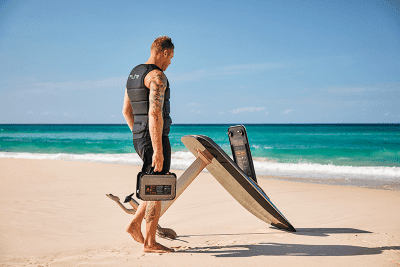
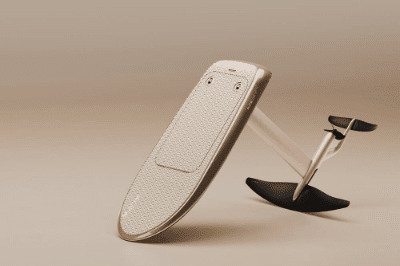
The Fliteboard ICON is the board most people still think of when they hear “Fliteboard.” It is the original 100-liter platform, now officially named ICON, and it represents the standard, all-rounder size in the lineup.
If you are looking at the ICON for 2026, you are probably not chasing extremes. You are looking for a board that feels predictable from the first ride, is easy to share with family or friends, and does not punish small mistakes while you are learning. You want something that works without drama.
For 2026, the biggest change is the naming and positioning. ICON is now clearly designated as the most versatile model in the Series 6 range. The shape, volume, and intent remain the same. It is designed to shorten the learning curve, reduce stress on the water, and give riders enough stability to focus on control instead of balance.
Before getting into materials, construction options, or learning timelines, it helps to understand how the ICON fits into the full lineup. If you have not already, the 2026 Fliteboard Buyer’s Guide walks through the progression logic board by board. That context makes it much easier to see why the ICON still plays such an important role.
If you want the broader overview of the Fliteboard 2026 series, check our Buyer’s Guide, which covers the full lineup step by step.
If you want the broader overview of the Fliteboard 2026 series, see our Fliteboard 2026 Buyer’s Guide for the full lineup step by step.
The ICON sits at the center of the 2026 Fliteboard lineup. It is the baseline board everything else is compared against.
This is the board that defines what a stable, predictable eFoil session feels like. Calm at rest. Controlled at low speed. Easy through takeoff. It is built to make riding feel manageable rather than demanding.
In contrast, boards like the PRO and ULTRA shift toward performance. They reduce volume and stability in exchange for agility and responsiveness. That progression works well, but only once a rider already understands balance, throttle control, and foil behavior.
The ICON does not assume experience. It is designed for learning, sharing, and consistency. That is why it is positioned as the most versatile model in the Series 6 range.
Hamish describes it this way, drawing from years of teaching and demoing boards at Emerald Wake:
“This is the board that lets people focus on the session instead of the board.”
For many riders, the ICON is the entry point.
For families and shared ownership, it often remains the most-used board.
For lessons at Emerald Wake, it is the standard platform.
That is where the ICON fits in 2026. Not as a performance outlier, but as the core reference of the lineup.
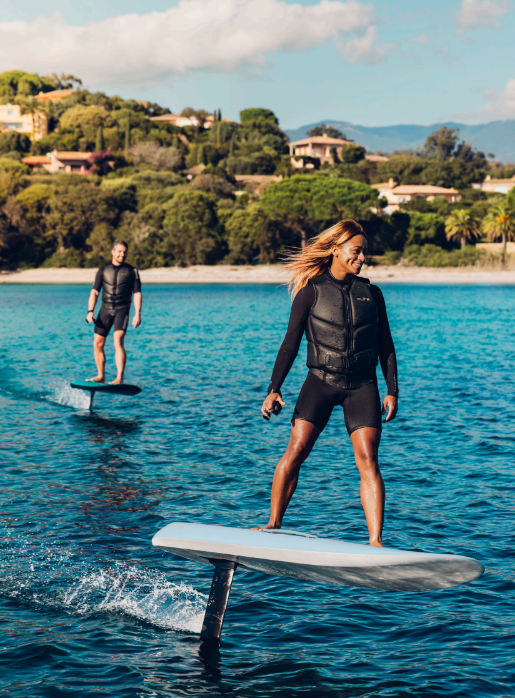
The ICON is Fliteboard’s 100-liter baseline board, designed to shorten the learning curve while remaining usable long-term.
At 100 liters, the ICON is built to stay calm when riders are not moving. You can stand still, shuffle your feet, or pause before takeoff without the board rolling or sinking unevenly. That matters most in the first minutes on the water.
A common first-session moment looks like this. A rider stands up, stops, resets their stance, then eases into the throttle. On smaller boards, that pause often ends with a fall. On the ICON, the board stays level long enough for the rider to get organized.
Once moving, the ICON aquaplanes easily at low speed. The board lifts onto foil without needing precise throttle timing. If a rider comes up unevenly or touches back down, the board settles instead of pitching forward or stalling hard. Learning continues instead of resetting.
Hamish puts it simply, based on what he sees daily during lessons:
“This is the board people actually learn on.”
That same behavior carries into regular riding. The ICON does not feel demanding when you are tired, distracted, or riding casually. It starts clean, stays predictable, and does not ask for constant correction.
For 2026, nothing about that job has changed. The ICON remains the most versatile board in the range, built to make eFoiling feel manageable from the first ride through long-term use.
All ICON boards share the same 100-liter shape.
They ride the same once you are on foil.
What changes is how they handle real-world use.
The differences matter most before and after the ride, not during it.
This version uses a polyurethane shell with a thick EVA deck pad. It is built to absorb impacts and reduce damage. If the board is being used by kids, passed around between family members, or launched from a dock or boat, this version removes stress.
A common example is stepping on the board with shoes, bumping it into a swim platform, or slipping slightly while climbing on. The Soft Top handles that without consequence.
Hamish’s recommendation, based on shared and dock-based use:
“If it’s getting shared or launched from docks, this is the one I recommend first.”
Carbon is the lightest and stiffest option. It is easier to carry, easier to load onto a roof rack, and feels more refined underfoot. This version suits riders who own the board personally and handle it carefully.
Think solo ownership. Garage storage. Fewer hands on the board.
Fiberglass sits in the middle. Traditional hard-board feel. No padding. No carbon premium. It rides like an ICON should, but with less impact protection and slightly more weight than carbon.
This option makes sense when durability matters less and cost or simplicity matters more.
Hamish sums it up cleanly:
“The shape doesn’t change. You’re choosing how tough or how light you want the board to be.”
All three versions deliver thesame stability, easy takeoffs, and predictable ride. The decision is not about performance. It is about who uses the board, how often it’s shared, and how much abuse it’s likely to see.
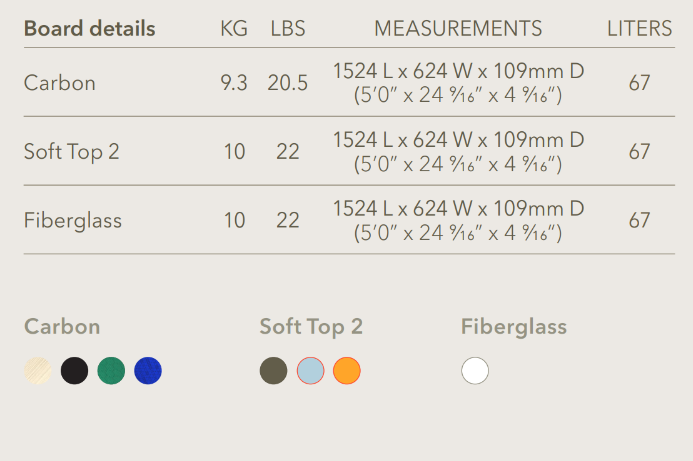
The ICON is versatile because its volume and width allow riders to pause, reset, and recover without falling.
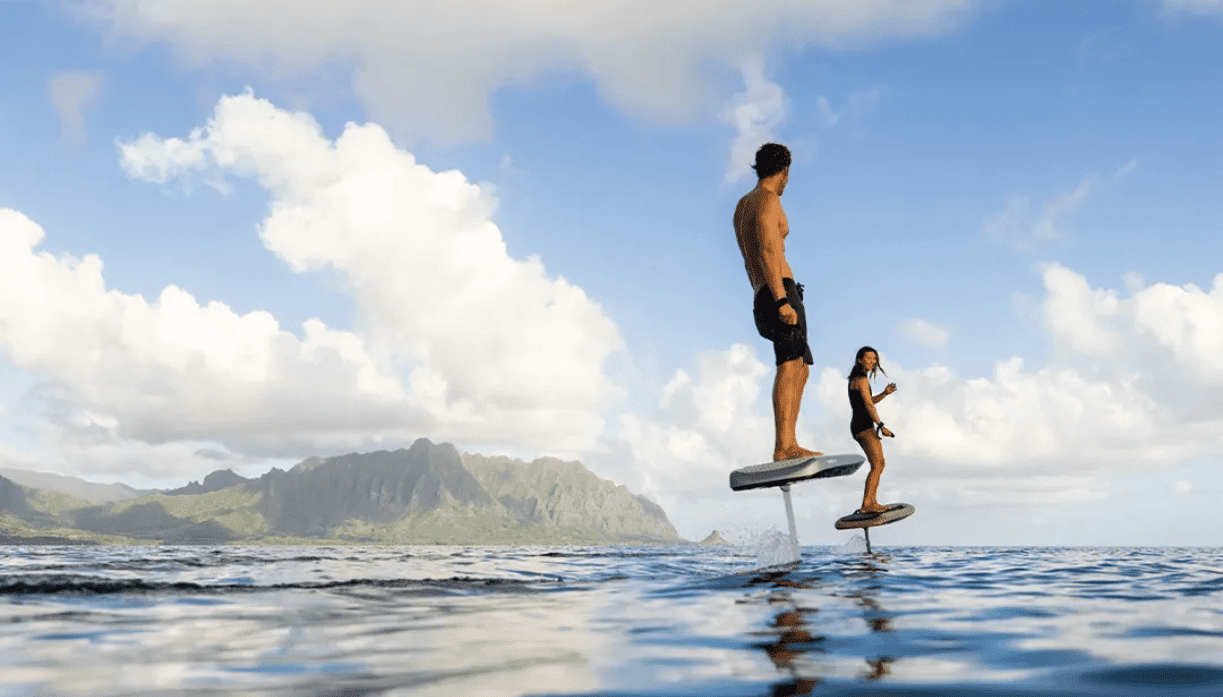
The ICON works for families because it gives riders margin. At 100 liters, the board stays level when people step on, stop, or hesitate. That matters when riders are different sizes or experience levels.
A typical family session looks like this. One rider finishes, steps off, and hands the board to someone else. Different weight. Different stance. One rider confident, the next hesitant. On the ICON, the next rider can stand still, get their feet set, and start slowly. The board does not force immediate movement to stay upright.
Hamish sees this daily while teaching families and first-time riders at Emerald Wake:
“People can actually pause and get organized. That’s what makes it usable for groups.”
Progression works the same way. Early on, riders benefit from how easily the ICON aquaplanes at low speed. Takeoffs do not require perfect throttle timing. If a rider comes up unevenly or touches back down, the board settles instead of punishing the mistake.
As skills improve, the ICON does not suddenly feel obsolete. Riders can practice smoother takeoffs, longer rides, and basic turns without fighting instability. The board stays predictable, which allows technique to improve naturally.
This is why Emerald Wake uses the ICON as its primary teaching board. It shortens the learning curve and keeps sessions moving forward instead of resetting after every small error.
As Hamish puts it:
“It gives people time. And time is what learning actually needs.”
All ICON boards share the same 100-liter shape and ride feel.
Once you are on foil, they behave the same.
The difference is how the board holds up in real life.

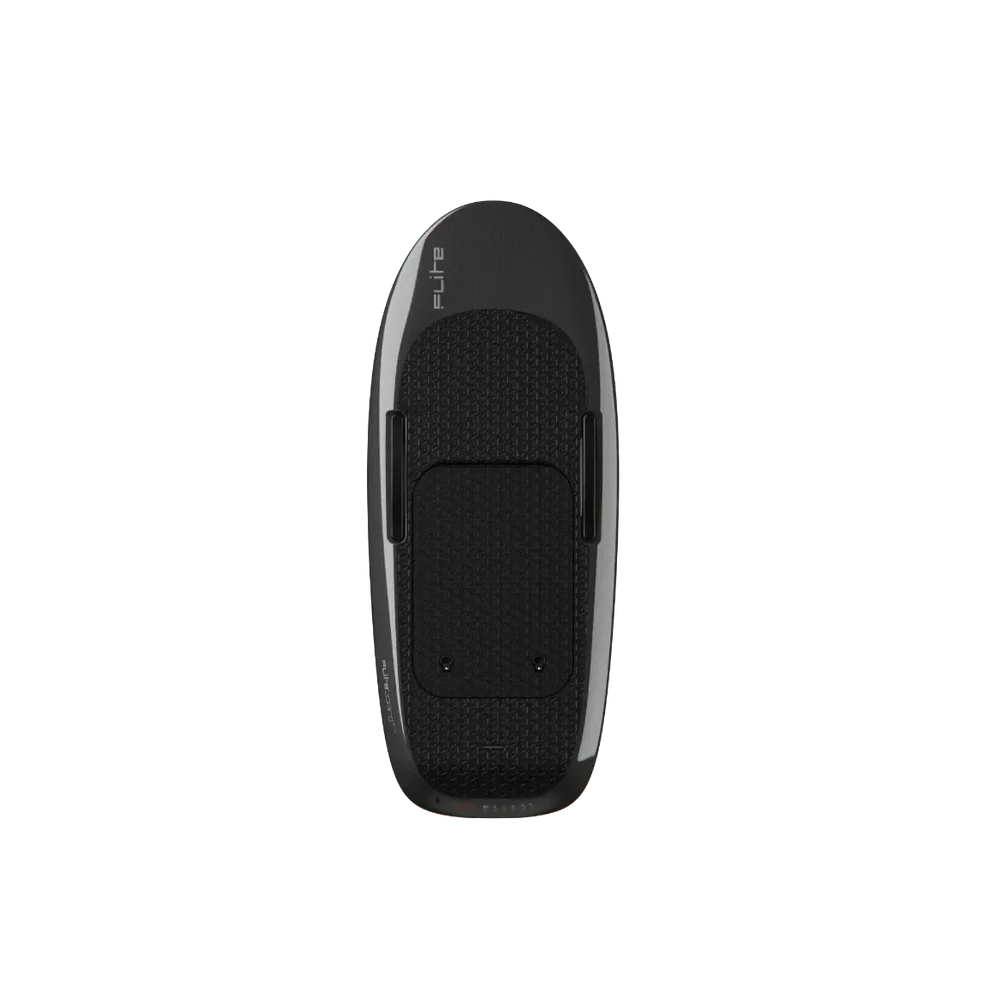
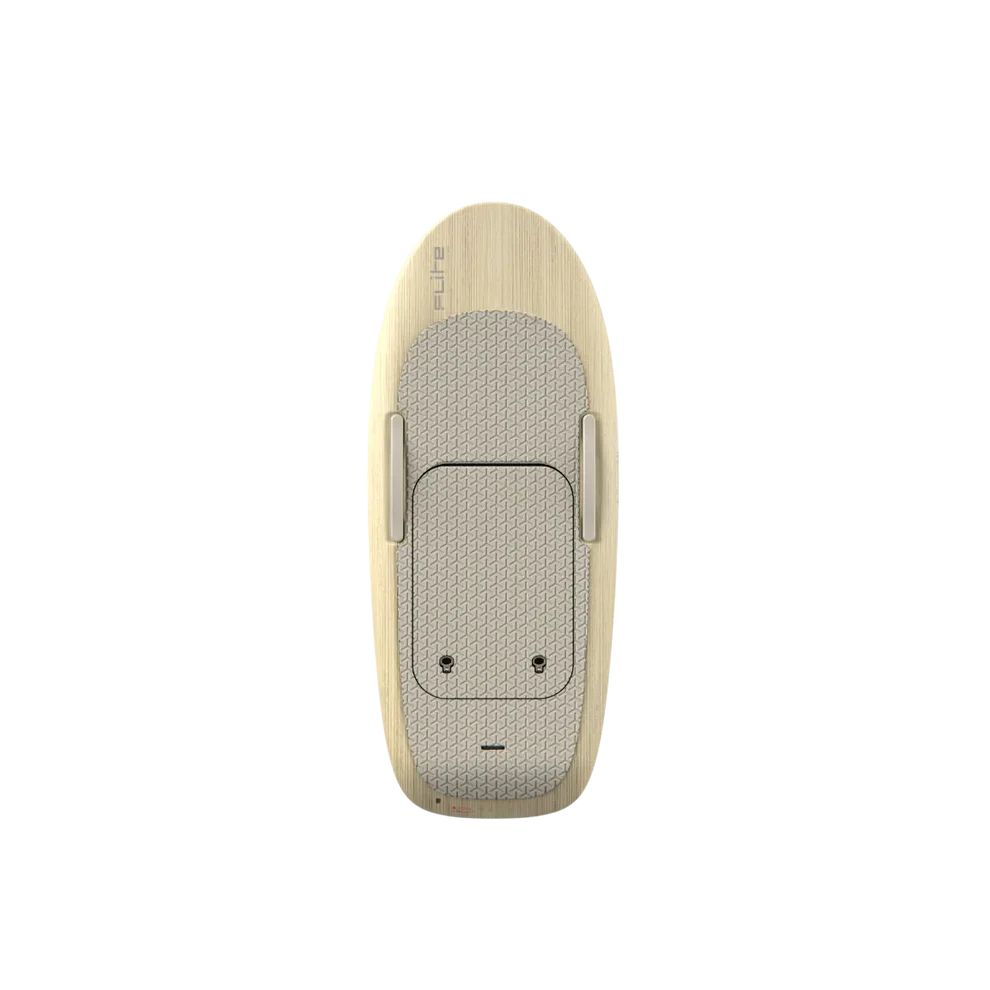
Carbon is the lightest and most rigid option. It is easier to carry, easier to load, and feels more refined underfoot. This version makes sense if the board is primarily yours, stored carefully, and not passed around often.
Hamish’s take from experience with long-term owners:
“If someone wants the cleanest, lightest version and knows they’ll take care of it, carbon is the move.”
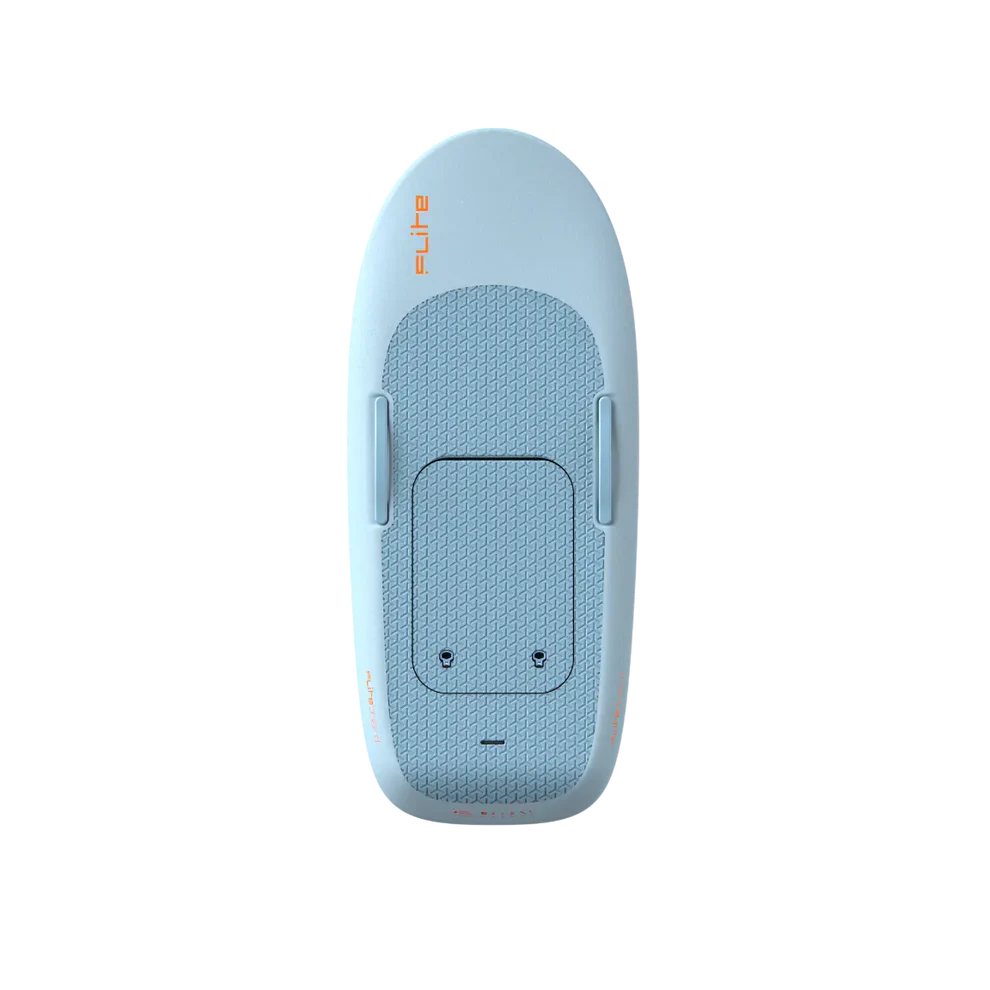
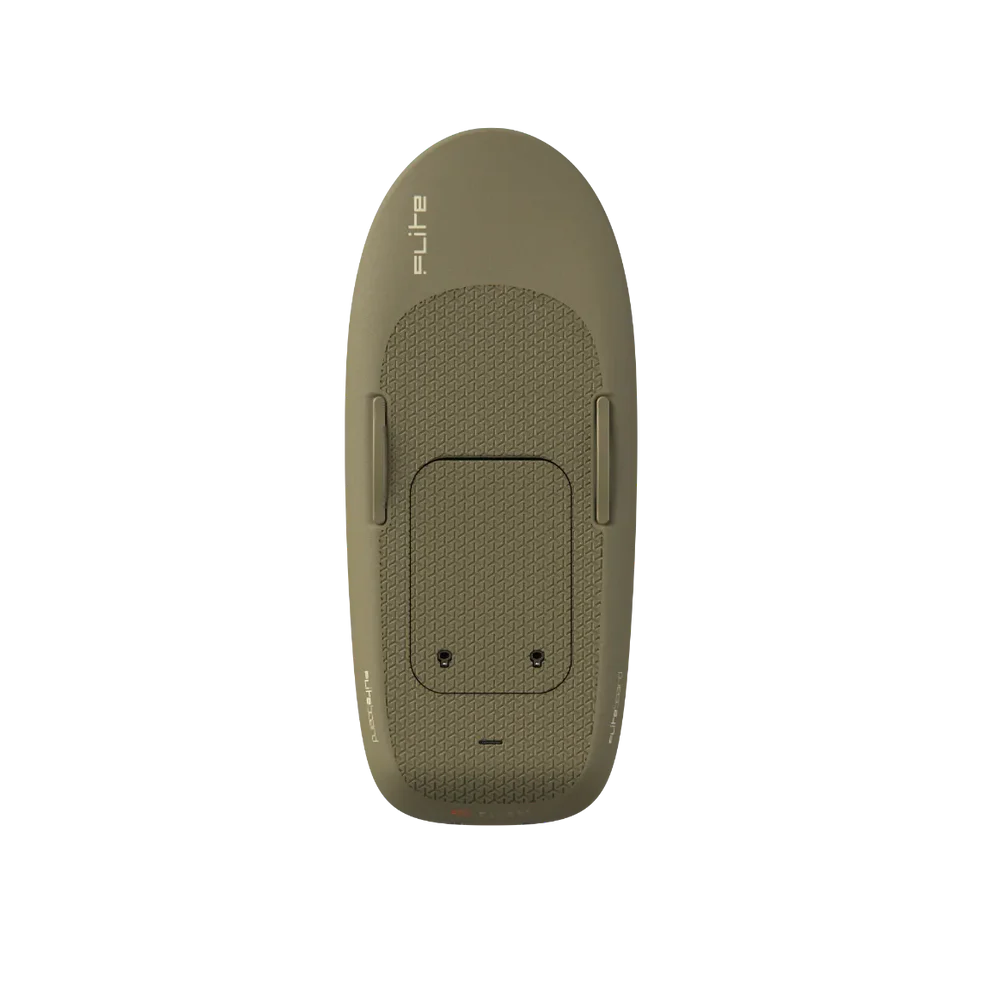
Soft Top 2 is built for forgiveness. The padded deck absorbs bumps, softens falls, and reduces damage from docks, swim platforms, and clumsy step-ons. This is the best choice for families, shared boards, boat use, and first-time riders.
Real example: climbing on from a dock, bumping the rail, stepping on with shoes. Soft Top shrugs that off.
As Hamish puts it:
“If it’s getting shared or launched from docks, Soft Top makes everything easier.”

Fiberglass sits in the middle. Traditional hard-board feel. No padding. No carbon premium. Slightly heavier than carbon, less forgiving than Soft Top.
This option works if you want a simple, solid ICON, do not need extra impact protection, and are less concerned about weight.
Hamish sums it up:
“Same ride. No padding. No carbon upgrade.”
The ride does not change.
You are choosing how the board fits into your day-to-day use.
The ICON works across a wide range of riders, but weight and experience change how it feels.
For heavier riders, the 100-liter volume matters most at low speed. The board sits higher, stays level when standing still, and does not feel overloaded during takeoff.
A common example is a rider over 200 pounds stepping on from a dock or swim platform, pausing, adjusting stance, then adding power. On smaller boards, that pause often ends in a fall. On the ICON, the board stays composed long enough to get organized.
Hamish sees this often during lessons:
“Heavier riders get comfortable faster because the board isn’t rushing them.”
As experience builds, the feel shifts. Around 10 to 20 hours, many riders start noticing the ICON feels slower to respond. Turns take more input. Direction changes feel less sharp. The board still works, but the rider wants more agility.
That is usually when the PRO starts to make sense. Not because the ICON fails, but because the rider no longer needs as much stability.
Lighter riders hit this point sooner. Heavier riders hit it later. The pattern is the same.
As Hamish puts it:
“The ICON gets people through learning. After that, they want something tighter.”
The ICON works with every Fliteboard propulsion and battery option, but some setups make more sense than others.
For most riders, the Flite Jet 2 is the cleanest match. It is quieter, smoother on takeoff, and easier to manage at low speed. That matters on a board designed for learning, sharing, and relaxed sessions. The enclosed design also reduces stress around docks, boats, and first-time riders.
Hamish’s rule of thumb from teaching environments:
“Jet 2 keeps things calm. That’s what the ICON is about.”
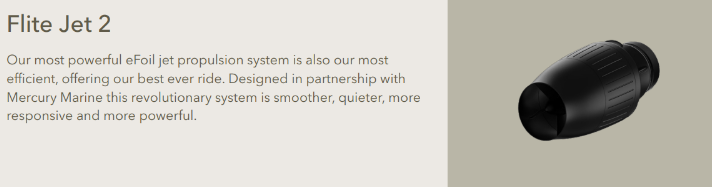
The traditional propeller still has a place. Heavier riders over 200 pounds often prefer it for predictable low-end pull, especially when starting from dead-stop takeoffs. The power comes on linearly, which can feel more reassuring early on.
Battery choice follows the same logic.
The Explore battery is the most common pairing with the ICON. The extra capacity extends ride time and makes the board less sensitive to stop-and-go use during lessons or shared sessions. Long runtime matters more here than minimal weight.
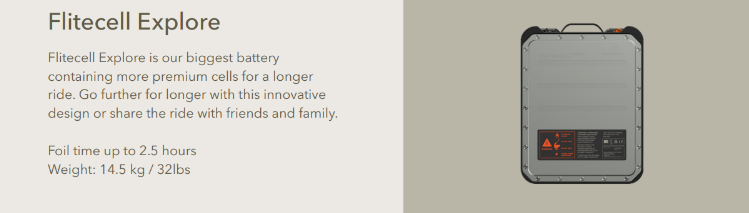
The takeaway is simple:
As Hamish puts it:
“The ICON doesn’t need to be optimized. It just needs to be set up to work.”
If you are unsure which propulsion or battery setup fits how you ride, you can review the ICON configurations on the product page, or call Hamish to sanity-check your setup before you spend the money.

The AIR ICON is part of Fliteboard’s inflatable range. It is not a different size of ICON. It is a different use case.
While the hard-board ICON sits at 100 liters, the AIR ICON carries slightly more volume and uses a rigid foam core wrapped in an inflatable outer shell. The goal is durability, not refinement.
This board is built to take abuse.
A typical AIR ICON scenario includes frequent travel, boat storage, rough handling, or environments where boards get dragged, bumped, or stacked. The inflatable shell absorbs impacts that would damage a hard board.
Hamish’s take, based on real-world use:
“If you know the board is going to take a beating, AIR makes sense.”
The tradeoff is feel. The AIR ICON does not feel as direct or planted as the hard-board ICON. Takeoffs remain stable, but feedback is softer and less precise.
The AIR ICON makes sense if:
It makes less sense if:

The AIR ICON is not a replacement for the hard-board ICON. It is an alternative for riders who need robustness first, performance second.
Most riders consider moving beyond the ICON after 10–20 hours, once stability stops being the limiting factor.
Early on, the ICON’s stability is doing useful work. It smooths takeoffs, settles mistakes, and keeps sessions moving. At some point, that extra margin starts feeling like resistance.
A common signal is turning. Riders notice that direction changes take more input than expected. The board responds, just slower than the rider intends.
Hamish usually sees this transition clearly:
“That’s when people stop needing stability and start wanting response.”
Another signal is confidence at low speed. If you can stand still, reset your stance, and manage throttle without thinking about balance, the ICON has already done its job.
The ICON is designed to get riders through learning, not define their end goal. Some riders keep it for family sessions and teaching friends. Others move on to smaller boards and never look back.
Both outcomes are normal.
Read Also: 2026 Fliteboard RACE Review & Fliteboard ULTRA L3 2026 Guide | Best eFoil for Wave Riding?
No. While it makes learning easier, many riders continue using it for casual sessions, family use, or teaching friends.
Most riders get on foil within about 20 minutes. Actual progression depends on balance, coordination, and conditions.
Yes. The 100-liter volume supports a wide range of rider weights and stays predictable at low speed.
Some riders do, some don’t. Many start considering smaller boards after 10 to 20 hours.
Yes, and that is intentional. Stability trades off with agility.
Yes. Many owners keep it for guests, family, or relaxed sessions.
Yes. Both options are compatible.
Most riders choose the Explore battery for longer ride time.
No. It prioritizes durability over board feel.
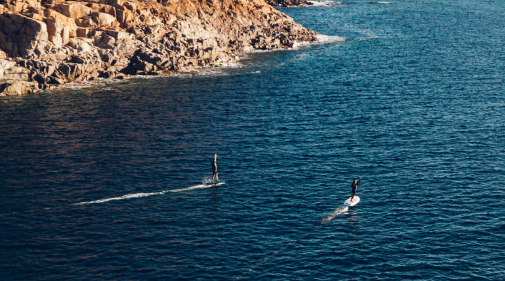
You can contact Hamish to talk through whether the ICON actually fits how and where you plan to ride.
Please fill out this form and someone from our team will contact you as soon as possible. You can also reach us by email at info@emeraldwake.com
info@emeraldwake.com
Phone: (850) 400-8500
Business hours:
Mon-Sat: 8am – 5pm
Sun: 9am – 4pm

© 2026 Emerald Wake LLC - All Rights Reserved
Privacy Policy | Accessibility | Terms of Use | Disclaimer