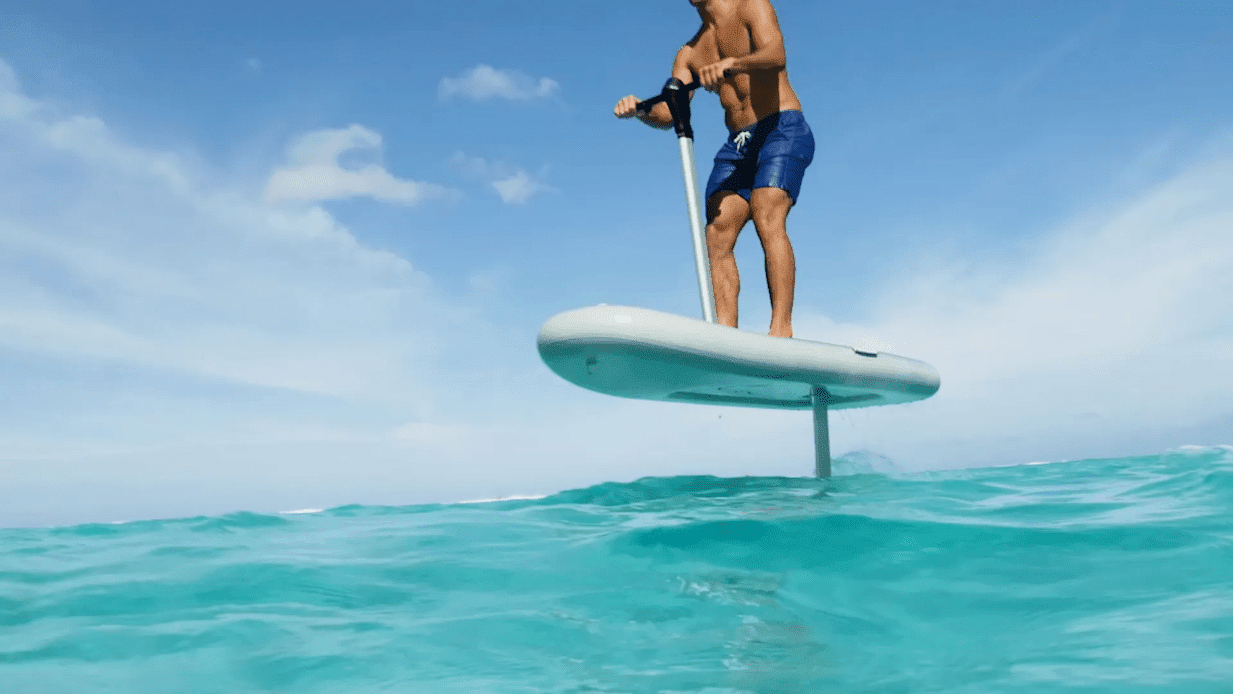

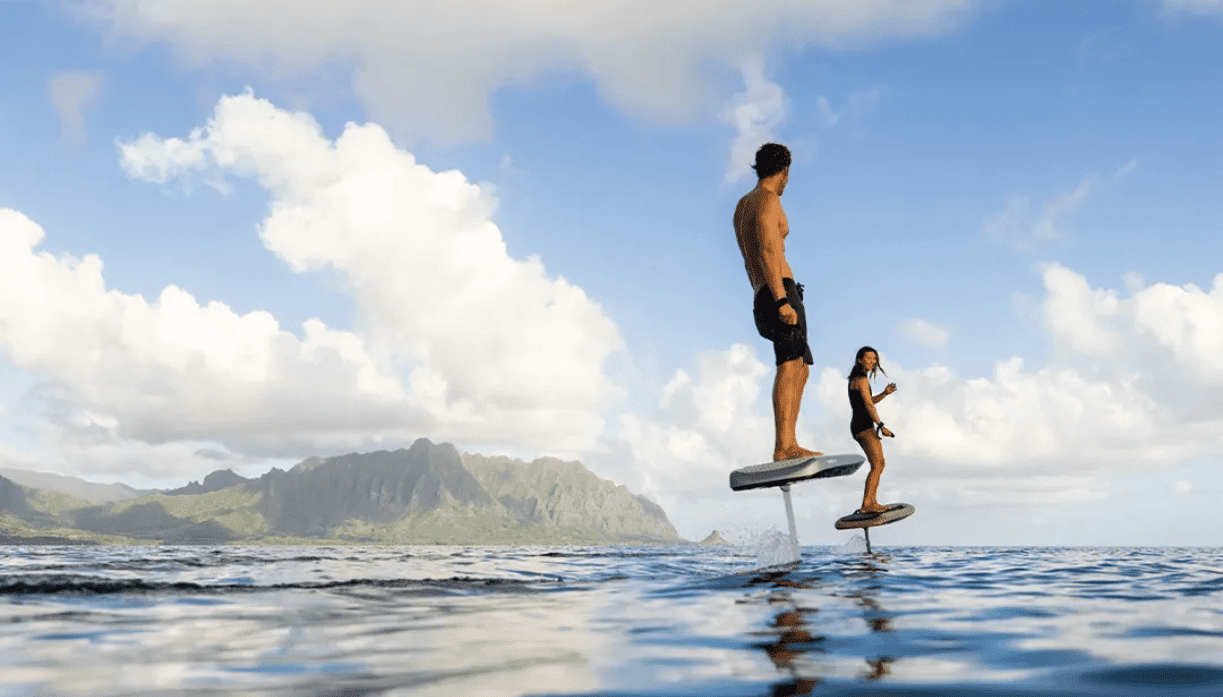
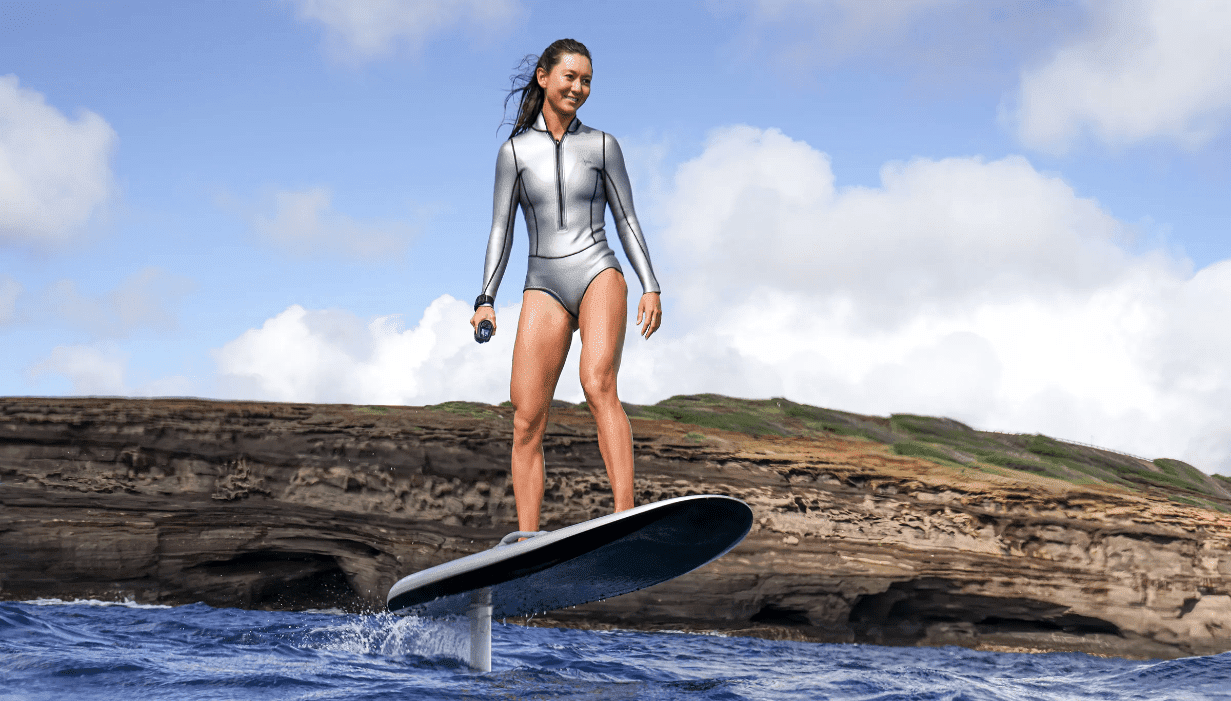



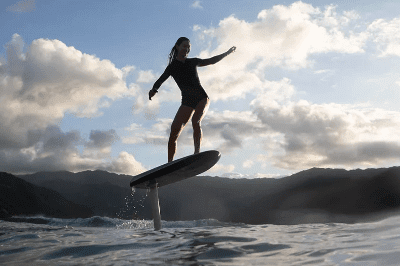
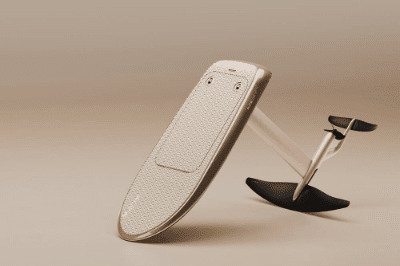
Yes. Soft Top 2 is usually more practical around docks because it has an EVA top layer, a dent-resistant surface, comfort, grip, and a more forgiving construction for dockside handling.

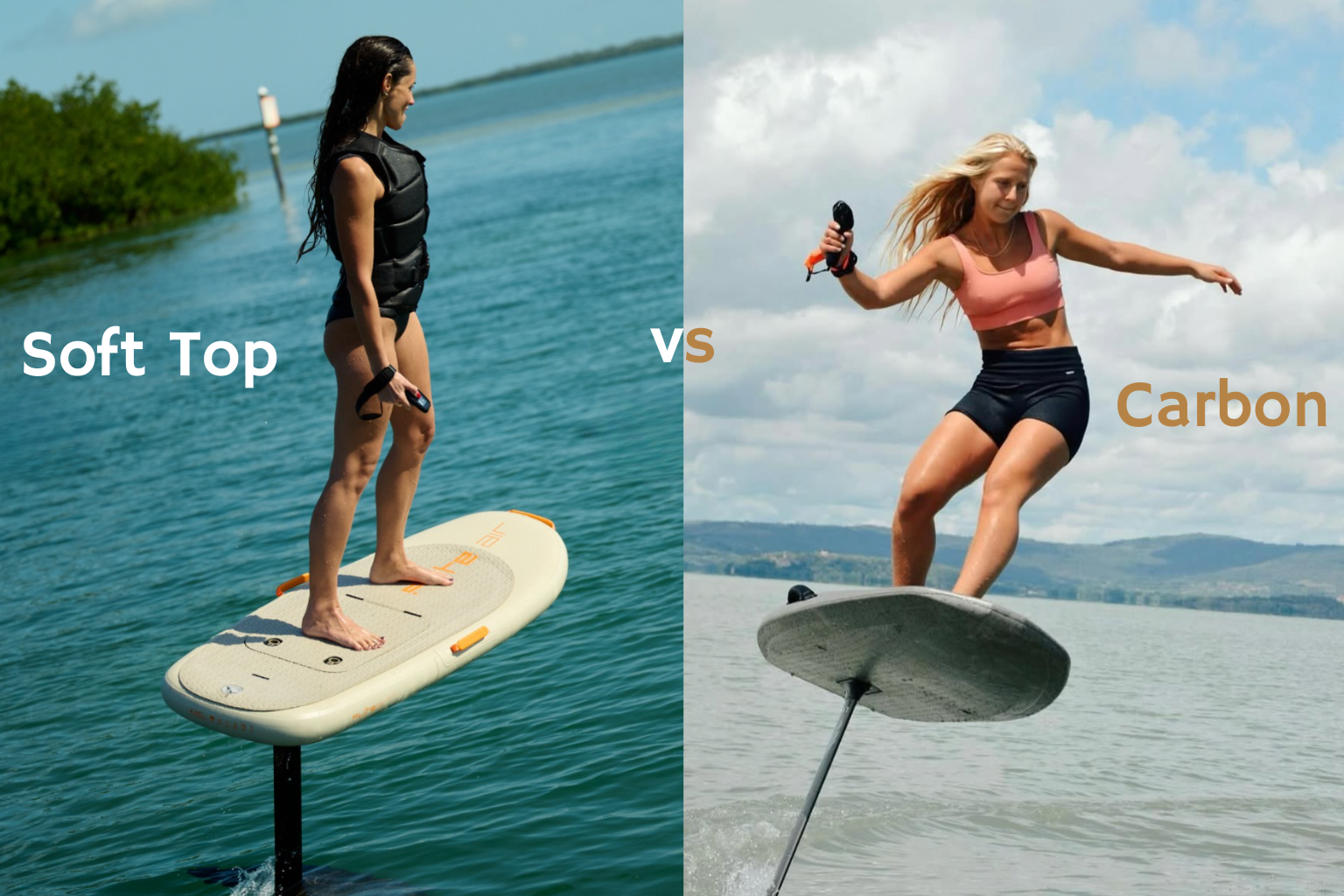
If your eFoil will live around a dock, boat lift, swim platform, or shallow dune lake launch, board material matters.
For many 30A waterfront homeowners, Soft Top 2 is the more practical choice around docks. Carbon is still the premium performance option, but it is not always the smartest setup for casual dock launches, shared family use, or repeated shoreline handling.
The real question is not simply, “Which board is better?” It is: Which board fits the way you will actually use it around Lake Powell, Destin, 30A docks, boat traffic, and real-world launch conditions?
⤷ If you are comparing the full lineup, start with Emerald Wake’s Fliteboard 2026 Buyer’s Guide to understand how the boards, materials, and propulsion options fit different rider types.
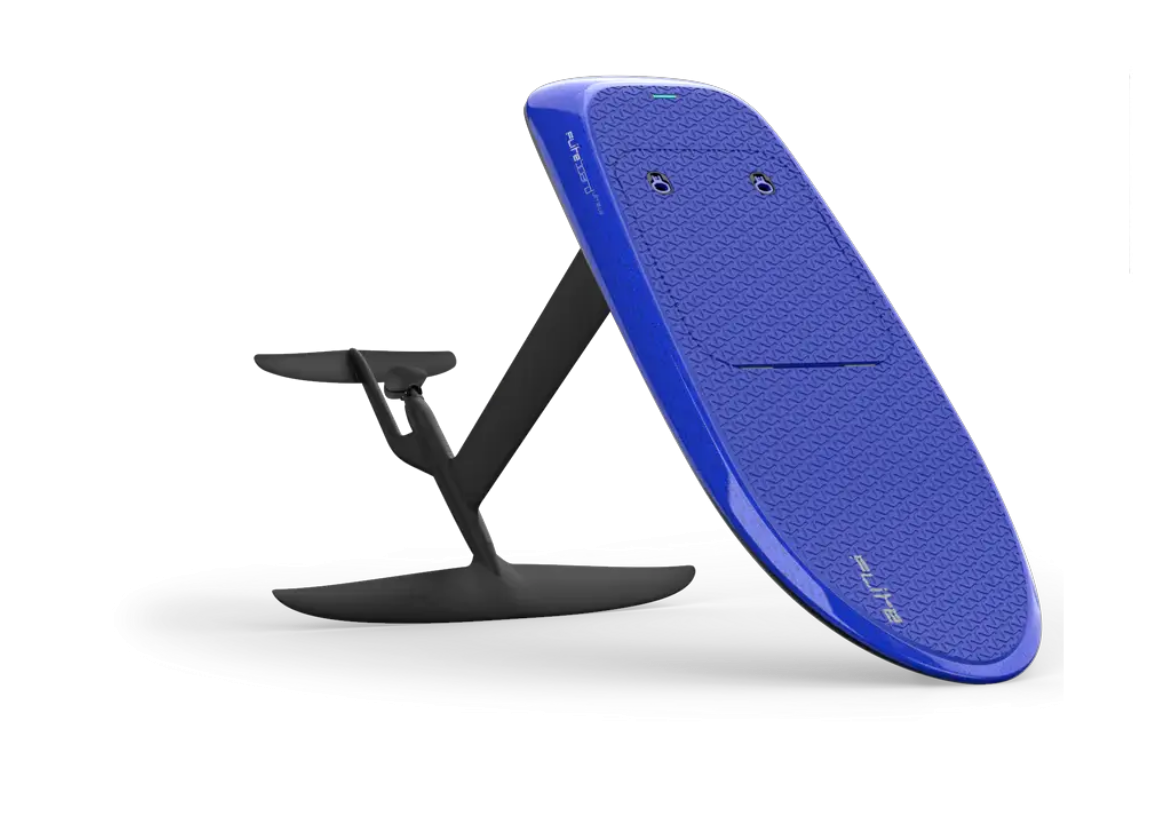
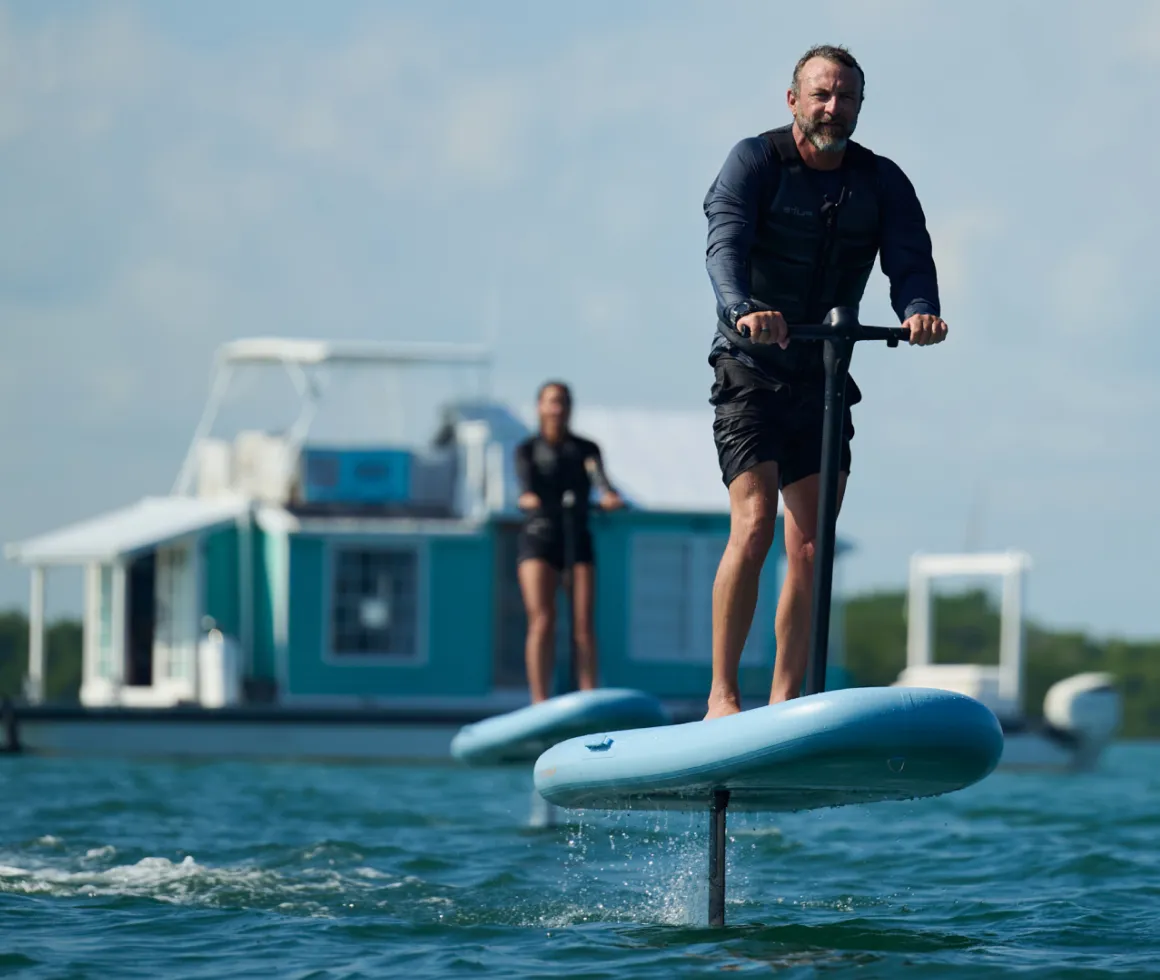
For most dock-heavy and boat-adjacent riders, Soft Top 2 is the better everyday choice because it is built around comfort, grip, durability, and a more forgiving surface. Fliteboard’s Soft Top 2 construction uses a polyurethane shell with an EVA foam top layer, giving the board a practical advantage when riders are climbing on, kneeling, restarting, or handling the board near docks and boats.
Carbon is still the premium option for riders who care most about stiffness, lighter weight, responsiveness, and long-term performance feel. If you are experienced, careful with gear, and want the cleanest ride response possible, Carbon can make sense.
But around docks, the board is not only being ridden. It is being carried, bumped, handed off, climbed onto, and used by guests who are still learning. That is where Soft Top 2 becomes easier to recommend.
For most 30A dock owners, lake house families, and boat-based riders, Soft Top 2 is the more practical dockside board. Carbon makes more sense for careful, performance-focused riders who want a lighter, stiffer, more responsive ride.
⤷ For the most forgiving family setup, review Emerald Wake’s Fliteboard AIR page.
⤷ If propulsion safety is part of the decision, compare options in the Flite Jet vs Propeller guide.
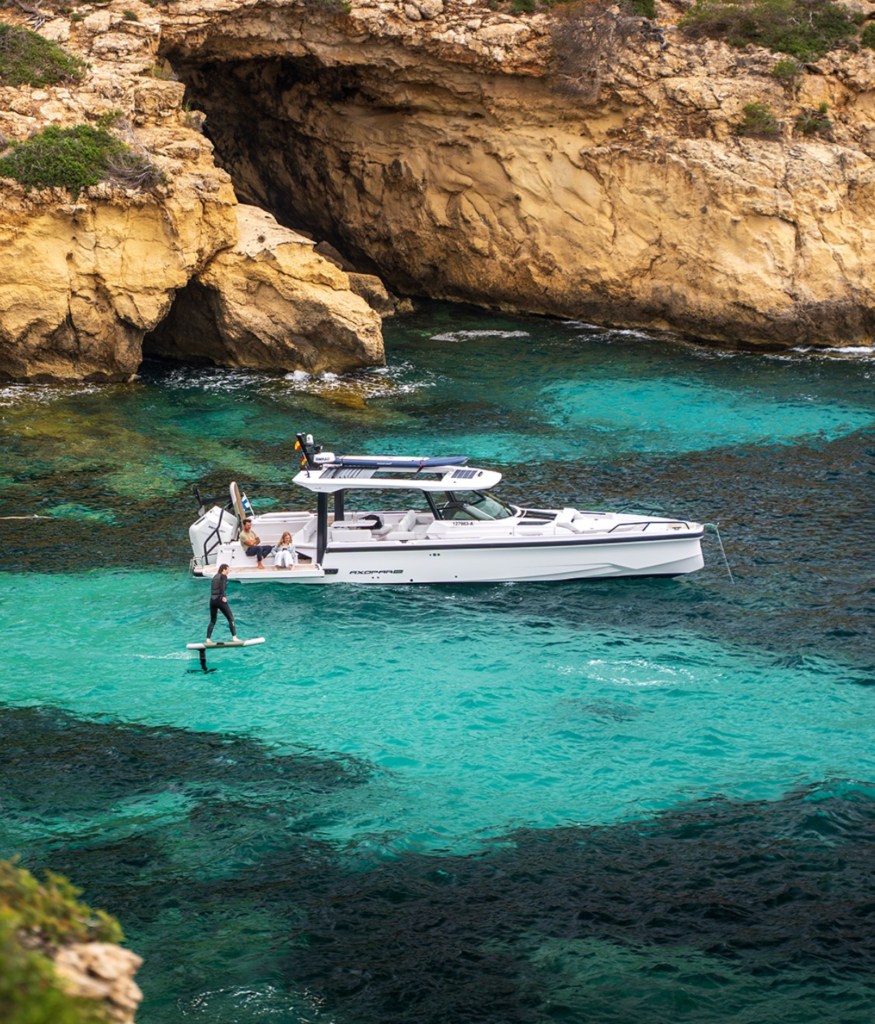
Dock launches are not the same as clean open-water riding.
A waterfront homeowner has to think about what happens before the board gets on foil. The board may be carried down a dock, passed from a swim platform, rested near a boat lift, or climbed onto by a beginner. Around Lake Powell and other shallow dune lake environments near 30A, riders also need to think about depth, sandbars, dock shelves, and changing shoreline conditions.
That is why the best eFoil for dock use is not always the highest-performance eFoil. It is the board that fits the actual launch environment.
For many homeowners, that environment includes dock edges, boat lifts, swim platforms, shallow water, family members, guests, afternoon chop, boat wake, and repeated restarts.
Carbon is excellent once you are riding, especially if you care about stiffness and response. But Soft Top 2 is easier to live with when the board is constantly being handled around hard edges and shared by riders who are not always precise.
⤷ For buyers still learning how local conditions affect board choice, Emerald Wake’s eFoil lessons on Florida’s Emerald Coast are a useful way to understand stable water, proper depth, and controlled launches before buying.
For families, the biggest board decision is rarely about maximum performance. It is about what happens when the board is used by real people in imperfect conditions.
A family eFoil gets pulled off a dock, handed to a teenager, climbed onto by a first-time rider, and used near boats, swim platforms, and dock edges. That is where Soft Top 2 has a practical advantage over fiberglass.
Soft Top 2 uses a polyurethane shell with an EVA foam top layer. The polyurethane shell gives the board a more impact-tolerant structure, while the EVA top adds comfort, grip, and a softer feel when riders are kneeling, climbing on, or restarting.
Hamish’s practical read is simple: compared with fiberglass, Soft Top 2 behaves more like a built-in fender around dockside use. It is not indestructible, and it still deserves proper care, but it is more forgiving than fiberglass when the board is handled around boats, dock shelves, and shoreline edges.
Fiberglass can still make sense in certain cases, but it is harder to recommend for families when Soft Top 2 is available. In Hamish’s view, fiberglass is more fragile, and there is not much reason to choose it over Soft Top unless a buyer strongly prefers a specific color or finish.
⤷ For a broader look at family-friendly options, compare Emerald Wake’s Fliteboard ICON 2026 guide and Fliteboard AIR page.
Soft Top 2 can reduce the risk of common dockside dings and dents, but it does not make the board damage-proof.
No eFoil should be treated like it can be dragged, dropped, or slammed into hard edges without consequence. But some constructions are more forgiving than others.
Soft Top 2 is designed for real-world handling. Its EVA top layer adds comfort and grip, while the dent-resistant surface gives it an advantage around repeated contact points like swim platforms, dock edges, boat launches, and jetties.
Carbon sits on the other side of the tradeoff. It is lighter, stiffer, and more responsive, but it is still a premium hard-board construction. If it is repeatedly knocked against docks, hard shoreline edges, or boat surfaces, chips, scratches, or cracks become a more realistic concern.
The same logic applies to boat gel coat. A softer, more forgiving board construction is less stressful around the side of a boat than a harder board. That does not mean contact is harmless. It means Soft Top 2 is better aligned with how family and boat owners actually use these boards.
⤷ For care basics after purchase, review Emerald Wake’s Fliteboard durability and lifespan guide.
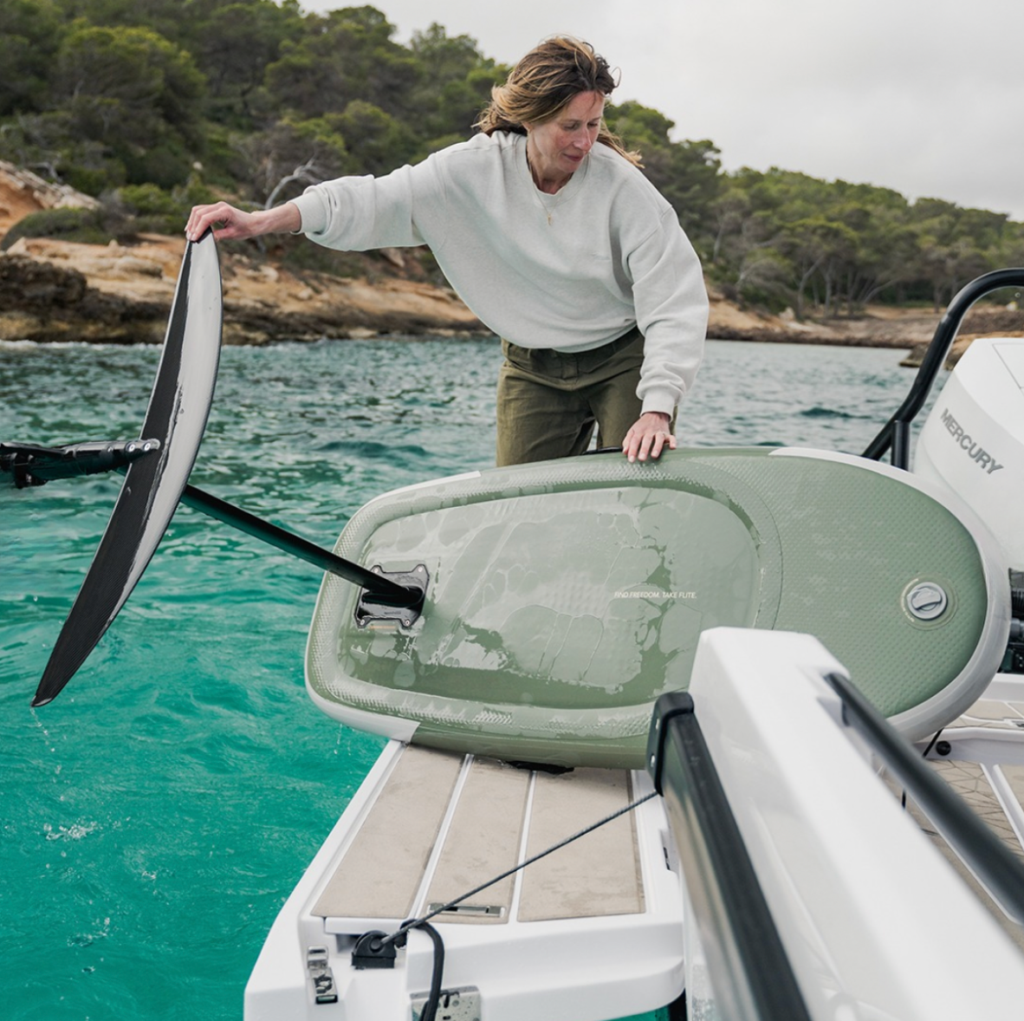
Yes, Soft Top 2 is slightly heavier than Carbon, but the difference is not as large as many buyers expect.
For the ICON platform:
For the PRO platform:
Carbon is lighter. But on these platforms, Soft Top 2 only adds a small amount of weight while giving the owner a more dock-friendly surface, more comfort, and more forgiving handling around boats and shared use.
ICON Soft Top 2 is especially strong as a family dock board because it combines the larger 100 L platform with more forgiving construction. PRO Soft Top 2 is useful for riders who want a more progressive board but still care about dock and boat practicality.
⤷ For deeper model context, read Emerald Wake’s Fliteboard PRO 2026 review.
Shared boat use changes the eFoil decision fast.
A shared board may be used by a parent in the morning, a teenager after lunch, a guest in the afternoon, and a neighbor who “just wants to try it once.” It may be passed from a dock, held beside a swim platform, or handled by someone who does not yet understand how careful you need to be around the mast, board, and foil.
That is where Soft Top 2 becomes the better default. The dent-resistant surface, polyurethane shell, and EVA top make it better suited to the small bumps, awkward climbs, and repeated restarts that come with family and guest use.
For boat owners in Destin or along 30A, Soft Top 2 also has a neighborly advantage. It is the board you are less worried about handing to someone else. It makes more sense when people are moving around a boat, stepping on and off a swim platform, or sharing space near gel coat and dock edges.
Choose Soft Top 2 if the board will be shared with family, guests, kids, or neighbors, launched from a boat, dock, jetty, or swim platform; or treated as a fun family board rather than a single-rider performance board.
Carbon is still the better buy when performance is the priority.
Soft Top 2 makes more sense around docks, boats, families, and shared use, but that does not make Carbon the wrong board. Carbon is the premium construction because it gives the board a lighter, stiffer, more responsive feel.
For someone who rides often, handles gear carefully, and wants the cleanest ride feel, Carbon can be worth it. It is also the better choice for riders who are not buying primarily for guests, kids, or casual dock use.
Hamish personally likes Carbon and generally leans that way when the buyer has the budget. The nuance is that budget is not the only deciding factor. Around a busy dock, family boat, or shared lake house, the best board on paper may not be the best board to live with.
Carbon is the better ride-feel decision. Soft Top 2 is often the better dock-life decision.
⤷ For riders choosing between ICON stability and PRO responsiveness, Emerald Wake’s Fliteboard ICON 2026 guide and Fliteboard PRO 2026 review are the next logical comparisons.
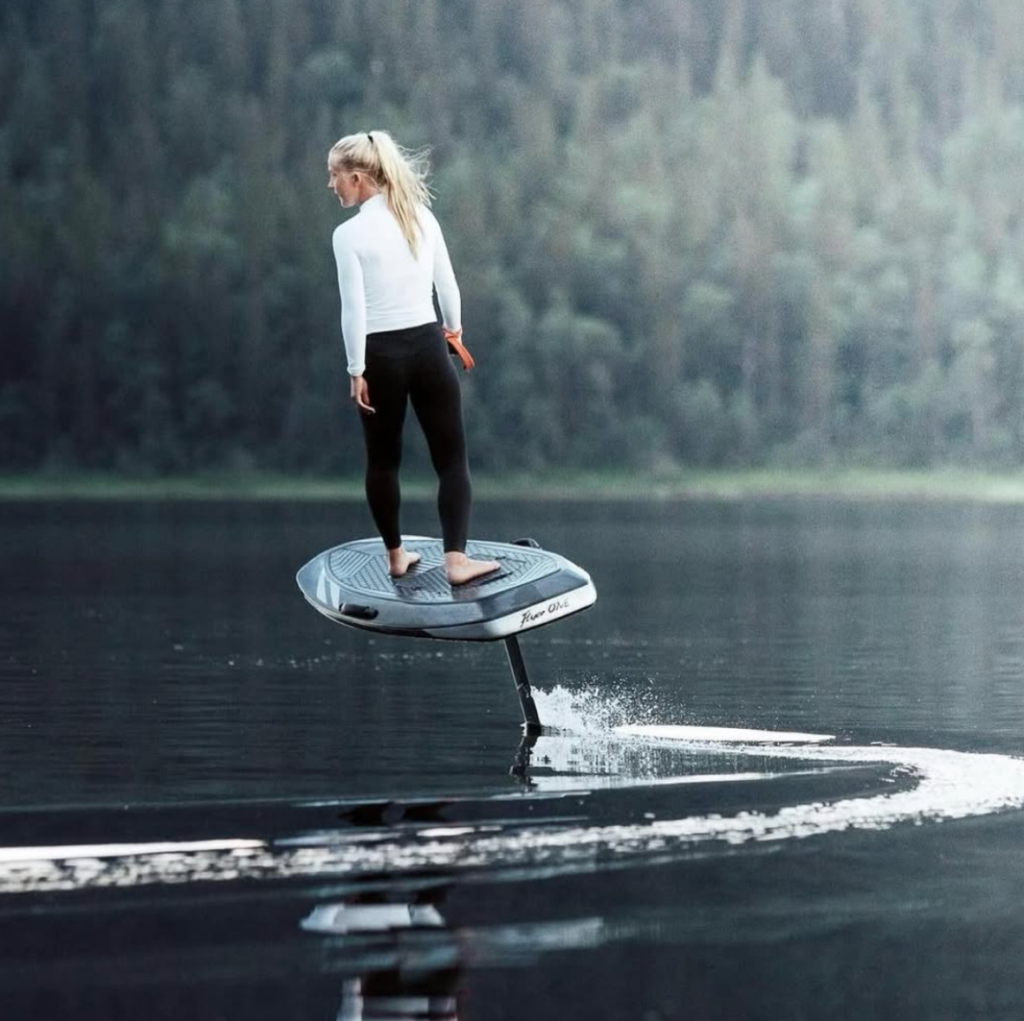
Maintenance starts with choosing a board that fits how it will be handled.
Soft Top 2 is the more forgiving choice for daily dock life. It is not maintenance-free, and owners should still rinse, inspect, store, and handle it properly. But it gives more margin for the small bumps and awkward handling that happen around docks.
Carbon rewards careful ownership. It is the right choice for riders who want premium stiffness, lower weight, and sharper response, but it should be treated like a high-performance piece of equipment, not a casual family float.
Fiberglass is harder to recommend when Soft Top 2 is available for family and dock-heavy use. While fiberglass can be repairable in some contexts, Hamish’s view is that it is more fragile than Soft Top 2.
“Fiberglass and carbon boards… if you bang them, they can chip, they can scratch, they can crack.” - Hamish
Resale logic is similar. A casual family buyer can overbuy Carbon if the board mostly lives around a dock and gets shared with guests. A performance rider can underbuy if they choose Soft Top 2 only for durability but actually want the sharper feel of Carbon.
The best long-term board is the one that matches the owner.
For a 30A dock owner with family and guests, Soft Top 2 is usually the best starting point. The board may be shared, handled often, and used near lifts, shelves, or hard shoreline edges. That environment favors comfort, grip, and forgiveness over maximum stiffness.
For a Lake Powell homeowner, Soft Top 2 is usually the more practical choice if the board will be shared with family. Carbon may be worth it for an experienced rider who wants a sharper, more responsive feel and can manage the board carefully around the dock.
For a Destin boat owner using swim platforms, Soft Top 2 or AIR may make the most sense. AIR is buoyant, durable, approachable, and strong for sharing with friends and family, bringing on trips, and launching from boats.
⤷ For local buyers comparing lessons, demos, and ownership support, Emerald Wake’s Destin eFoil and Fliteboard support page is the most relevant local path.
Board construction is only part of the dockside decision. Propulsion matters too.
For families, guests, kids, or grandkids, Jet can make sense because it reduces contact risks. That is especially relevant near boats, swim platforms, docks, or shallow launch areas where people may be close to the board during starts and restarts.
Prop can still be better for heavier riders, stronger power delivery, or performance-focused owners. Hamish is especially careful about recommending Jet for heavier riders because prop systems offer more linear low-end power.
Practical setup logic:
⤷ For a deeper breakdown, read Emerald Wake’s Flite Jet vs Propeller guide.
Choose Soft Top 2 if the board will launch from docks, boats, jetties, or swim platforms. It is usually the better fit if the board will be shared by family, guests, kids, or grandkids, or if comfort and forgiveness matter more than premium responsiveness.
Choose Carbon if you prioritize performance. Carbon is the better fit if you want a lighter, stiffer, more responsive board, ride often enough to notice those differences, and handle your equipment carefully.
Consider AIR if boat launching, family sharing, travel, and maximum forgiveness matter more than hard-board performance.
The clearest way to frame it is this:
Around docks, Soft Top 2 usually makes more sense. On the water, Carbon may feel better to a performance-focused rider. Around boats and families, AIR may be the easiest board to live with.
For help comparing Soft Top 2, Carbon, AIR, Jet, and Prop, contact Emerald Wake before you buy.
A quick conversation can help you choose the right setup for your dock, boat, family, and riding goals.
Yes. Soft Top 2 is usually more practical around docks because it has an EVA top layer, a dent-resistant surface, comfort, grip, and a more forgiving construction for dockside handling.
Yes. Carbon can be used around docks and boats, but it should be handled carefully because it is a premium hard-board construction.
Soft Top 2 can help reduce common dockside ding and dent concerns, but it does not make the board indestructible.
Yes, slightly. ICON Soft Top 2 is about 2 lbs heavier than ICON Carbon. PRO Soft Top 2 is about 1.5 lbs heavier than PRO Carbon.
For most family, dock, and shared-use buyers, yes. Soft Top 2 is more compelling because the polyurethane shell and EVA top are more forgiving around boats, docks, and repeated handling.
Carbon is worth it for riders who care about stiffness, responsiveness, lower weight, and premium ride feel. It may be overkill for casual dock use, family sharing, or relaxed boat launches.
For many 30A lake homes, Soft Top 2 is the best starting point because it fits dock launching, shared use, and real-world shoreline handling. Carbon can still make sense for performance-focused owners.
For shared family use, Jet can make sense because it reduces contact risks. Prop may still be better for heavier riders or riders who want stronger performance.
Not sure whether Soft Top 2, Carbon, AIR, Jet, or Prop fits your dock, boat, family, or riding goals?
Start with the Fliteboard 2026 Buyer’s Guide before you choose.
For help comparing Soft Top 2, Carbon, AIR, Jet, and Prop, contact Emerald Wake before you buy.
Call or email Hamish for setup guidance based on your dock, boat, family, and riding goals.
Please fill out this form and someone from our team will contact you as soon as possible. You can also reach us by email at [email protected]
[email protected]
Phone: (850) 400-8500
Business hours:
Mon-Sat: 8am – 5pm
Sun: 9am – 4pm

© 2026 Emerald Wake LLC - All Rights Reserved
Privacy Policy | Accessibility | Terms of Use | Disclaimer