
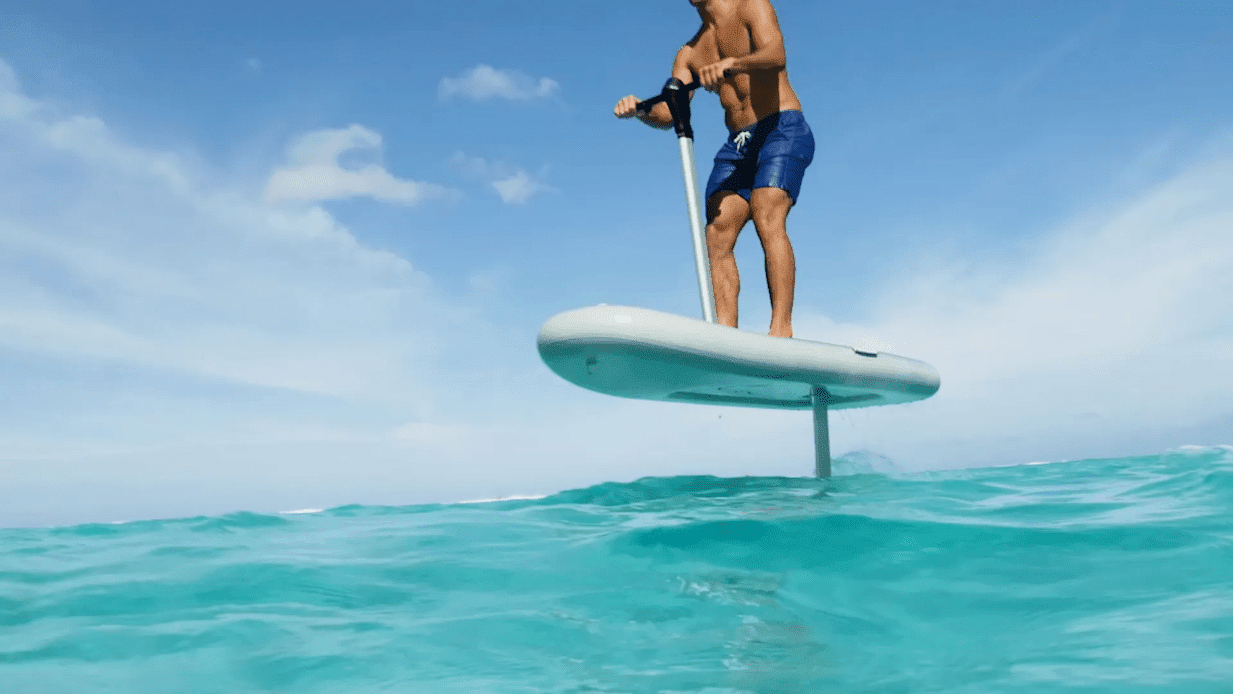

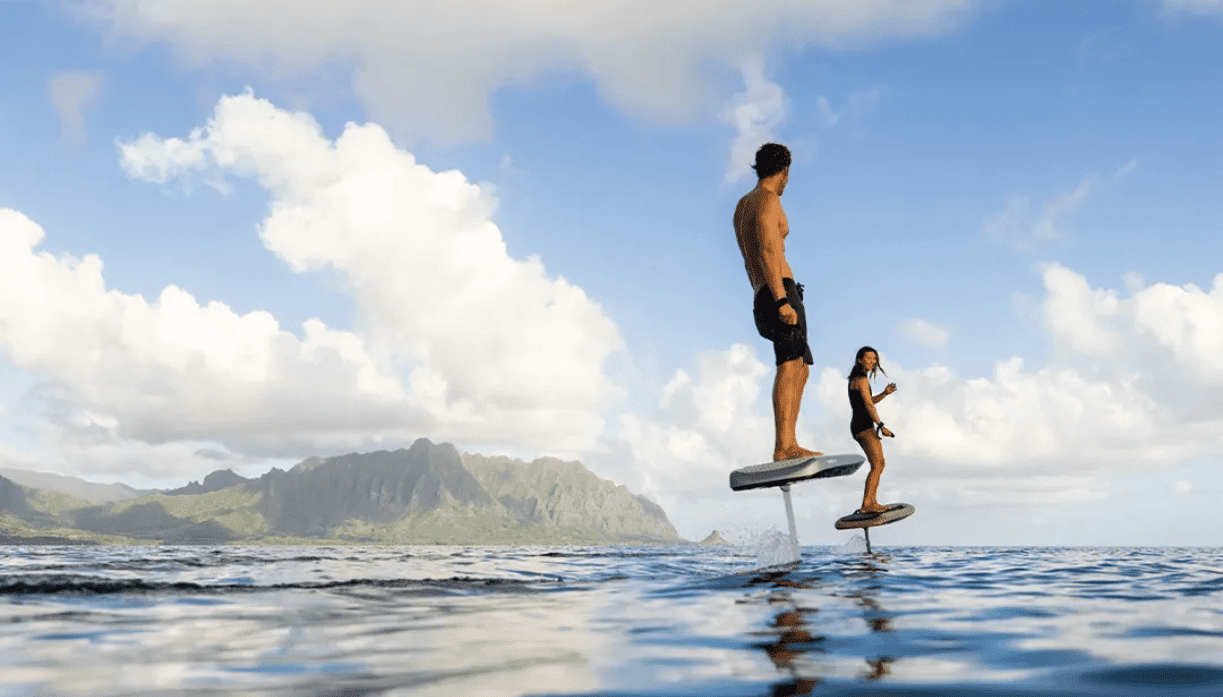
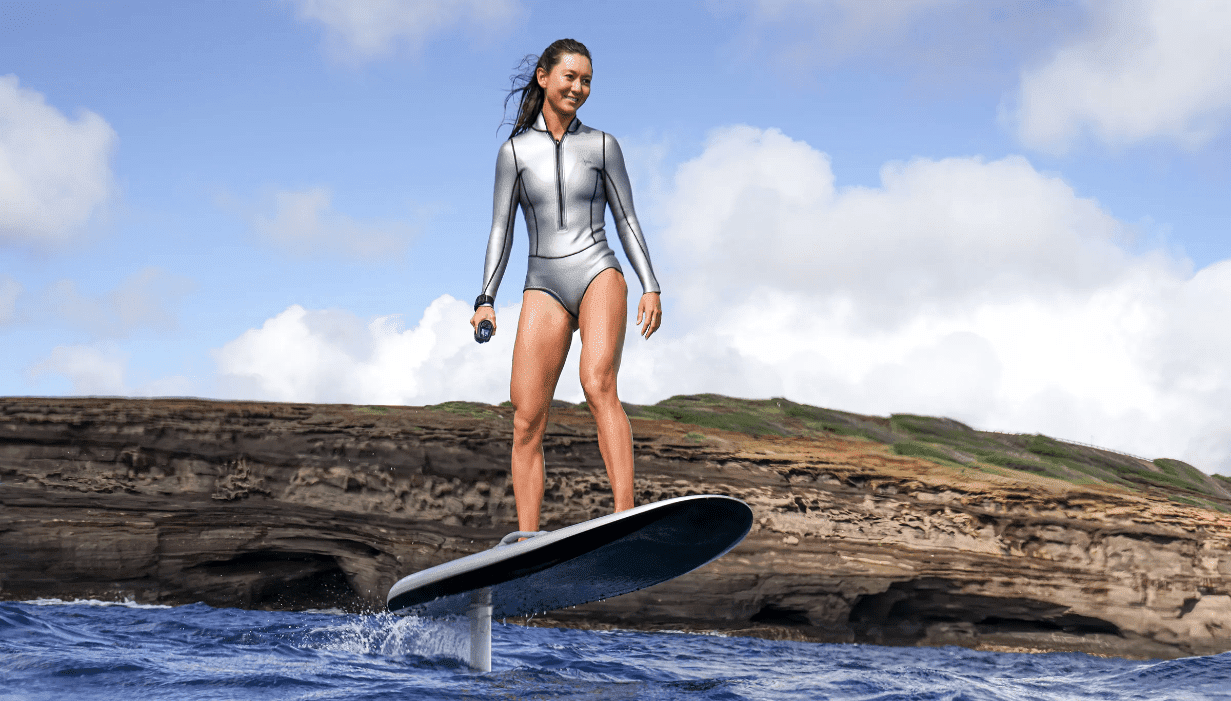

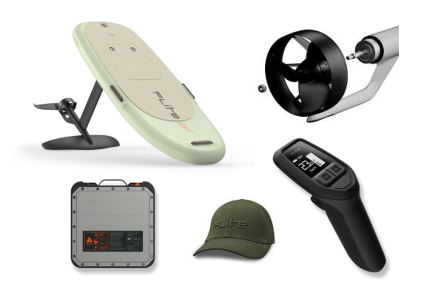

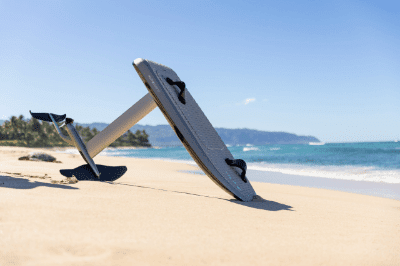
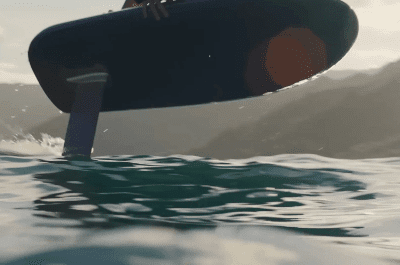

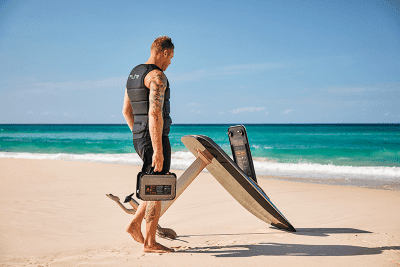
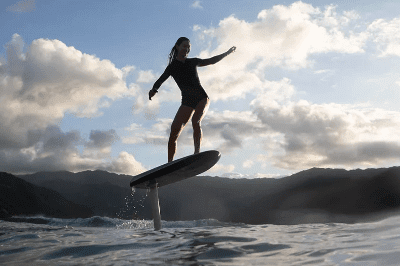
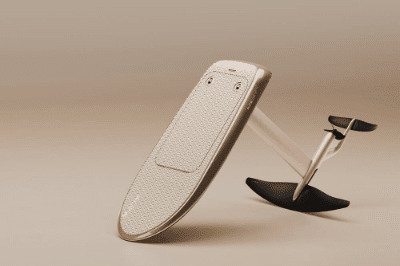
Most riders at 220lb start with ICON or AIR ICON for early lift support and predictable balance. PRO becomes appropriate once lift timing is consistent.

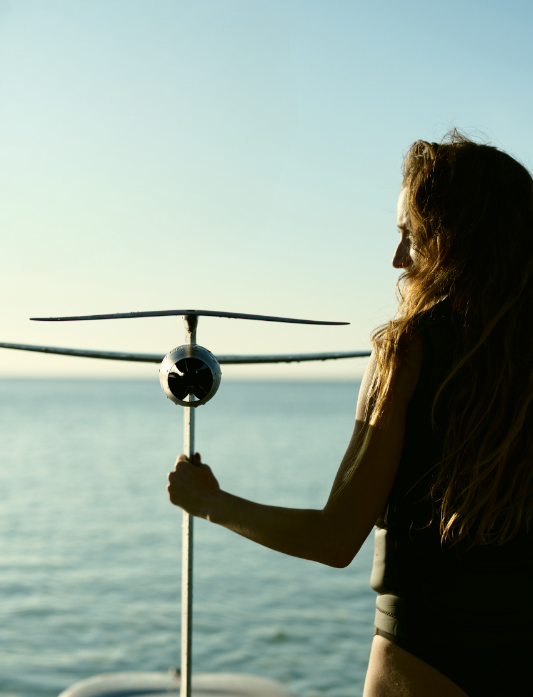
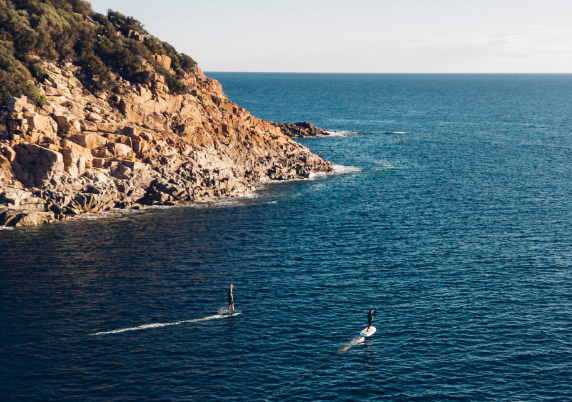
If you weigh over 200lb and are trying to decide between Jet 2 and a traditional propeller, or between ICON and PRO, your weight changes how every setup feels on the water.
Whether you are 205lb, 220lb, or closer to 240lb, the margin for error narrows. Takeoff timing shifts. Power feels different. Battery balance matters more.
This guide explains the best 2026 Fliteboard setup for riders over 200lb using real-world conditions around Destin Harbor, Lake Powell, and light Gulf chop as reference.
⤷ If you want a full overview of the entire lineup before diving into heavy rider specifics, start with our Fliteboard 2026 Buyer’s Guide: What is the Best eFoil to Buy.
By the end of this article, you will know which board volume reduces lift friction, when a propeller may feel more predictable than Jet 2 under load, and how to avoid building a setup that feels mismatched to your weight.

For riders over 200lb, board volume is not a secondary spec. It directly affects lift timing, low speed stability, and how much throttle input is required before the foil engages.
Heavier riders displace more water before lift begins. That changes the entire feel of takeoff.
When a heavier rider initiates throttle, the board must climb higher in the water column before the foil begins generating clean lift.
More volume reduces what can be described as lift friction. The board sits higher at rest, transitions more predictably, and requires fewer micro corrections in the early phase of acceleration.
In flat water on Lake Powell, this difference feels subtle but noticeable. In light Gulf texture near Destin, it becomes more obvious. The board that felt fine at 180lb may feel delayed at 220lb.
If takeoffs feel delayed or inconsistent at your weight, that is usually a volume conversation worth having before changing propulsion.
Before comparing setups, check Fliteboard’s maximum rider weight limits for your chosen model. Board capacity, propulsion recommendations and lesson eligibility are separate considerations.
In the 2026 lineup, volume differences are clear.
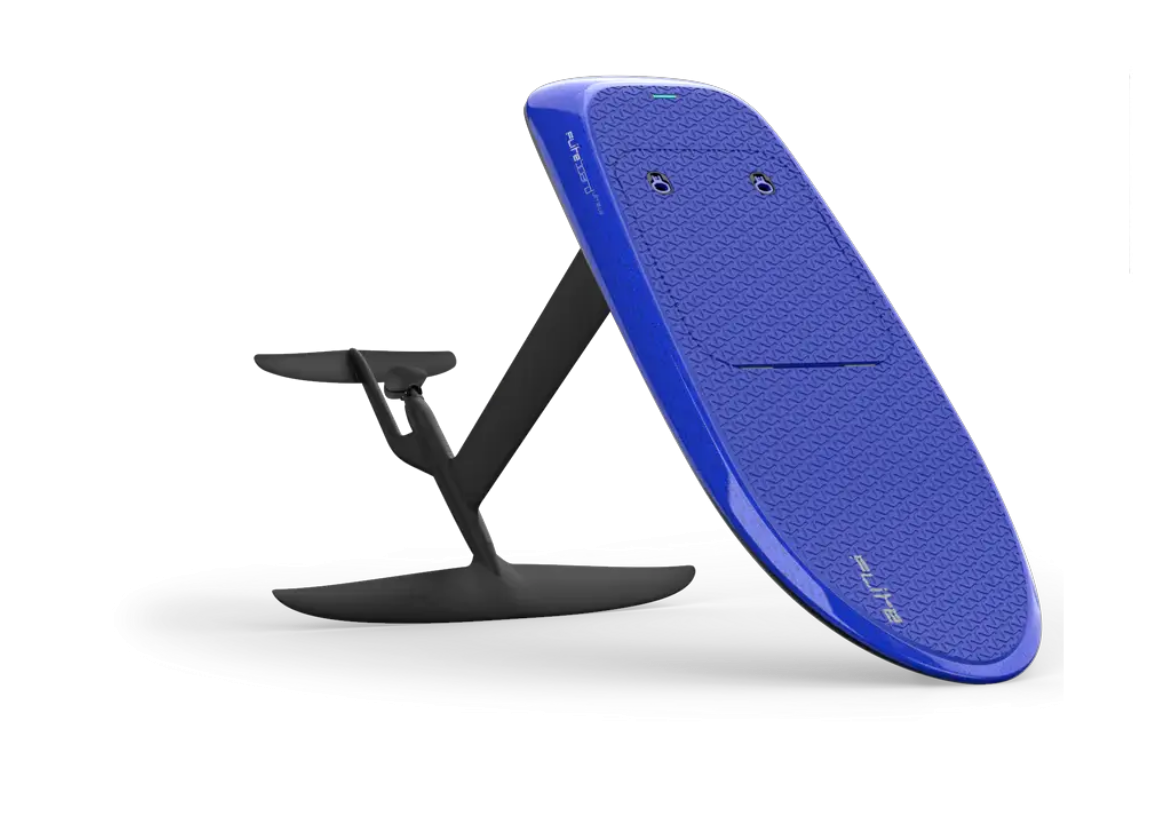
The ICON hard board offers 100 liters. The AIR ICON offers 110 liters. These platforms provide early lift support and predictable low speed balance for riders over 200lb.
⤷ If you want a deeper breakdown of why ICON remains the all-round reference board, read our Fliteboard ICON 2026 Guide: Is This the Best All-Rounder eFoil.
⤷ The PRO at 67 liters becomes more responsive but requires cleaner timing. If you are considering stepping down in volume after mastering lift, see our Fliteboard PRO 2026 Review: Is This the Right Step After the ICON.
Although smaller in raw liter volume than the ICON, the Race board is described in the 2026 overview as slightly longer and “a little bit bigger,” making it easier to get up in flat water conditions. It is explicitly mentioned as potentially appealing to bigger riders, particularly those riding primarily in calm environments.
This does not replace the stability of a 100L platform, but in flat-water scenarios, the Race board can provide a longer, more supportive feel during takeoff.
For heavier riders, volume choice is less about status and more about reducing early fatigue. If your sessions in Destin Harbor feel more tiring than expected, that is often a board volume decision, not a propulsion issue.
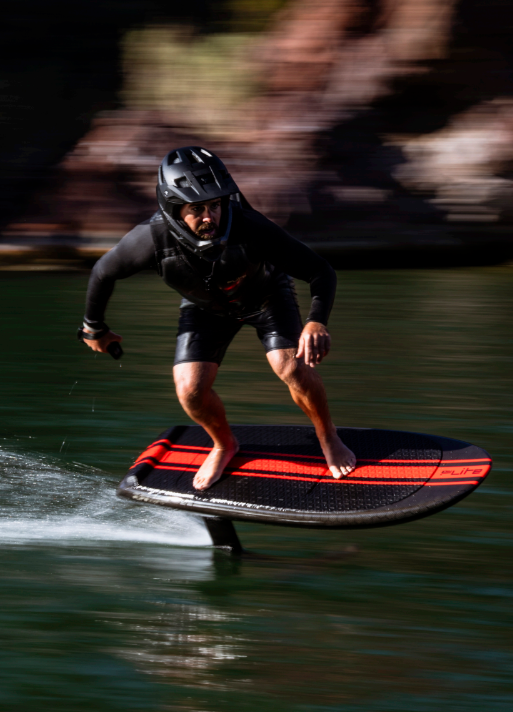
For riders over 200lb, propulsion choice changes how power feels under load. The difference is not about peak speed. It is about how the system engages during the first seconds of throttle.
⤷ For a full breakdown of what changed in propulsion this year, see What’s New in the 2026 Fliteboard Series 6 Lineup.
Heavier riders place more load on the system before the foil lifts cleanly.
For riders over 200lb, propulsion choice changes how power feels under load. The difference is not about peak speed. It is about how the system engages during the first seconds of throttle.
The traditional propeller is often described as offering predictable low speed pull.
From a mechanical standpoint, standard propeller systems in Series 6 are geared and stop flowing when throttle is released. The MN carbon mast versions include a True Glide prop, which continues spinning freely when off throttle. Wave props are designed to collapse when unpowered, reducing drag.
These behaviors do not change lift torque characteristics directly, but they influence how the board feels when transitioning in and out of throttle during early lift.
Under higher body weight, that predictable engagement can feel more direct during dead stop takeoffs.
Jet 2 delivers power smoothly and in a refined ramp. Many riders appreciate that composure, especially in calm water on Lake Powell.
The key variable is how the first three seconds of throttle feel at your weight.
In flat Destin harbor water, the difference may feel subtle. In light Gulf chop, where lift timing is slightly interrupted, some heavier riders prefer the more mechanically direct sensation of a propeller.
If acceleration feels muted or slightly delayed under load, propulsion feel is worth revisiting before changing boards.
Want to feel Jet 2 and Prop side by side before deciding? Join one of our Lake Powell Demo Days and test propulsion setups in real flat-water conditions.
For riders over 220lb, small differences in power delivery can feel amplified.
Jet 2 is built around a smooth power ramp. Under higher load, that smoothness can feel either confidence-building or slightly extended in timing, depending on rider expectation.
A traditional propeller often feels more immediate in early throttle.
The difference is not about raw output. It is about engagement timing under load.
At our Flite Center in Destin, we consistently see heavier riders adjust volume first before revisiting propulsion. But once volume is correct, propulsion feel becomes easier to evaluate.
If your takeoffs feel slightly hesitant in calm water or harder to time in light chop, propulsion feel is often the first variable worth revisiting.
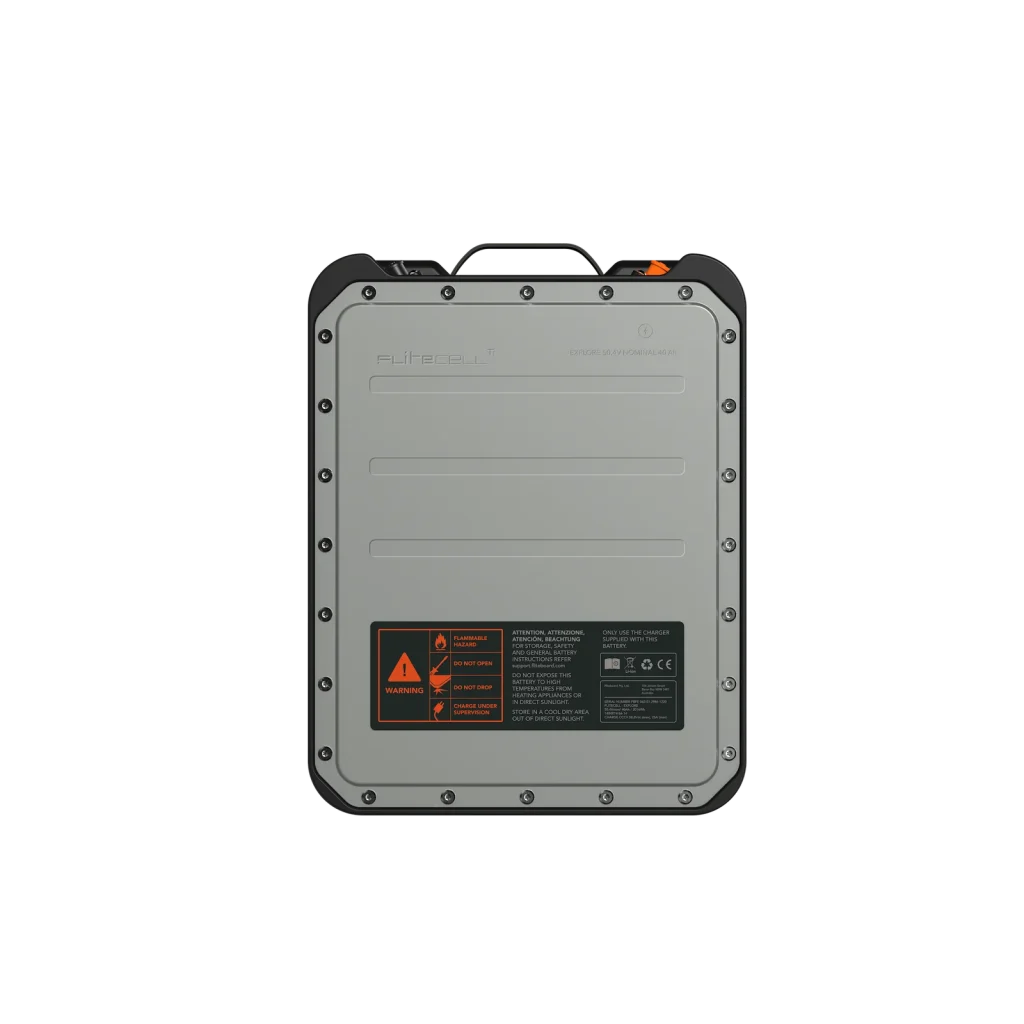
Battery choice affects more than range. For riders over 200lb, it also influences balance at rest, how planted the board feels, and how fatigue builds over time.
The Explore battery adds weight. That added mass can translate into a more planted feel at low speed.
In flat Lake Powell conditions, that planted sensation can reduce early wobble. In light Gulf texture, it can reduce small stance corrections over longer sessions.
The Sport battery often becomes the default middle ground. The Nano reduces swing weight but may feel slightly more sensitive during dead stop takeoffs at higher body weight.
Battery choice does not increase propulsion strength. It changes how the board behaves before and during lift.
If you want a simplified framework:
• Start with ICON or AIR ICON for reliable lift timing
• Evaluate propulsion based on takeoff feel, not marketing language
• Choose Sport battery for balance
• Move to Explore if you want a more planted low speed platform
Address volume first, propulsion second, battery third.
Changing all three at once usually creates confusion.
Not sure if your current setup matches your weight? Describe how your takeoffs feel and we’ll help you isolate whether it’s volume, propulsion, or battery balance.
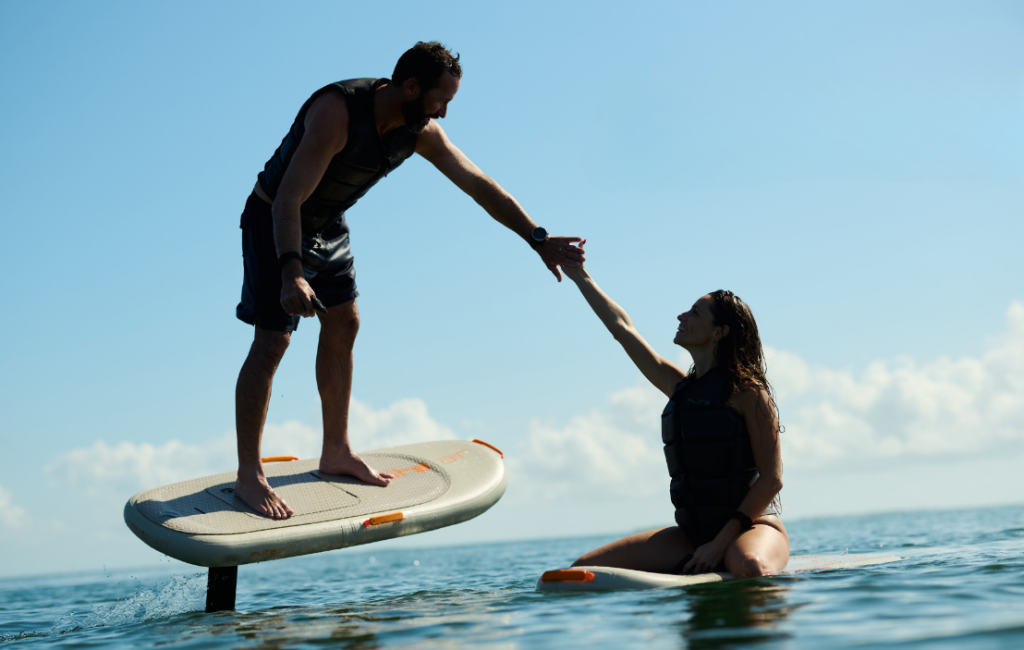
There is not one best board for heavier riders. There is a best configuration sequence. For riders over 200lb, setup decisions should follow a clear order of logic:
Volume first. Propulsion second. Battery balance third. Then fine tune with foil selection.
This framework prevents over correcting the wrong variable.
Progression patterns also tend to differ slightly by weight. Heavier riders often reach the “want more response” stage later than lighter riders. Skipping directly to smaller boards too early can shorten sessions rather than improve performance. Stability and controlled power delivery usually extend progression windows before downsizing becomes necessary.
Board volume determines how early the board rises and how stable it feels at low speed. For riders over 200lb, adequate volume reduces hesitation during takeoff and improves low speed stability.
ICON and AIR ICON provide higher volume platforms. PRO and RACE introduce more performance but require cleaner timing. L3 demands experience and precise balance.
If early lift feels inconsistent, changing to a smaller board rarely solves the problem. Volume is the foundation variable.
Once volume is correct, propulsion feel becomes clearer. Heavier riders should focus on how the first seconds of throttle feel.
If you prefer firm and predictable engagement, the traditional propeller may feel more connected. If you prefer smooth ramp and controlled progression, Jet 2 may feel more composed.
The key question is not speed. It is takeoff confidence under body weight.
If propulsion feels slightly mismatched to your weight and riding style, that is usually a conversation worth having before upgrading board families.
After board and propulsion are aligned, battery choice fine tunes the ride.
Explore provides planted feel and longer sessions. Sport balances agility and duration. Nano reduces swing weight and increases responsiveness.
For riders over 200lb, battery selection often influences session fatigue more than peak performance. The right balance improves overall ride composure without over complicating the setup.
Battery fine tunes, it does not fix fundamentals.
If your board feels dialed in except for balance at rest or long session fatigue, battery choice is usually the next variable to revisit.
Water conditions matter.
In flat Lake Powell water, setups feel predictable and clean. In Destin Harbor, boat wake adds minor texture. On the Gulf side, light chop amplifies small timing differences.
Heavier riders often benefit from setups that maintain low speed composure when water texture increases.
If your board feels perfect in flat water but slightly harder to time in Gulf chop, the issue is often fine tuning, not a full equipment change.
⤷ For riders staying in Rosemary Beach or along 30A, our Lake Powell sessions provide the cleanest environment to isolate setup variables before taking your board into open water. See our Rosemary Beach eFoil Lessons & Tours page for local riding context.
⤷ Families riding together can also reference our Family eFoil Adventures on Florida’s Emerald Coast guide for safety and progression context.
There is not one best eFoil for riders over 200lb. There is a best configuration for your weight and environment.
When volume aligns with your body weight, propulsion feels predictable under load, and battery balance supports stability, sessions feel calmer and progression becomes consistent.
If you are unsure which setup makes sense for your weight, describe exactly how your takeoffs feel.
No pressure. Just clarity before you spend the money.
Want to feel the difference? Book a Lake Powell session or call Hamish at (850) 400-8500 to talk through your current setup first.

Most riders at 220lb start with ICON or AIR ICON for early lift support and predictable balance. PRO becomes appropriate once lift timing is consistent.
Not necessarily. The decision depends on engagement feel, not weight alone. Some heavier riders prefer smoother ramp. Others prefer firmer feedback.
No. Battery affects planted feel, not propulsion strength. Sport is often the balance point. Explore increases low speed composure.
Volume influences takeoff consistency first. Propulsion influences takeoff confidence second. Battery fine tunes fatigue and balance. Address them in that order.
Please fill out this form and someone from our team will contact you as soon as possible. You can also reach us by email at [email protected]
[email protected]
Phone: (850) 400-8500
Business hours:
Mon-Sat: 8am – 5pm
Sun: 9am – 4pm

© 2026 Emerald Wake LLC - All Rights Reserved
Privacy Policy | Accessibility | Terms of Use | Disclaimer