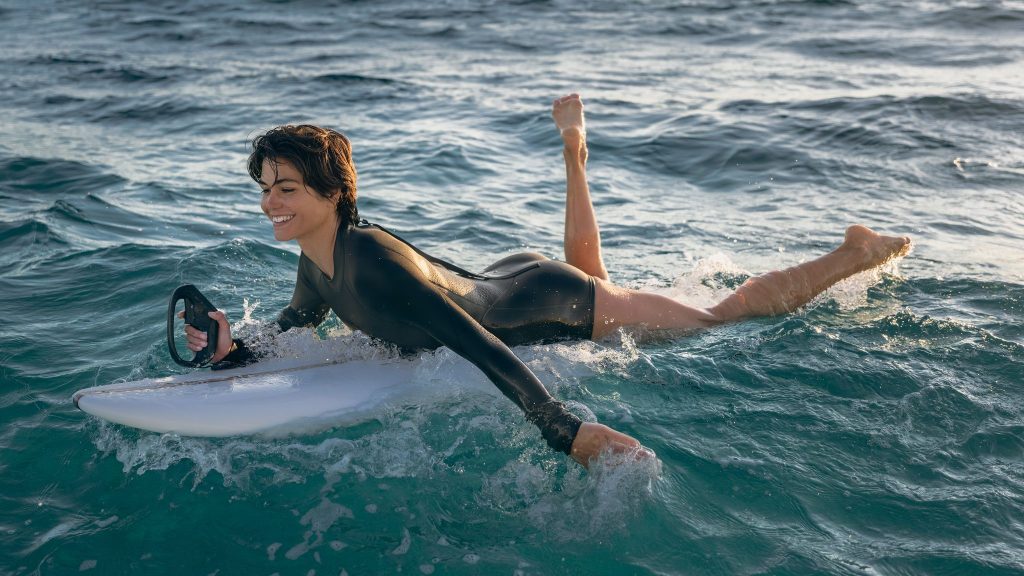
What It Actually Feels Like to Ride the 2026 Lind Electric Surfboard
By Ryan Goloversic posted on March 12, 2026
If you are researching the 2026 Lind, you likely want one thing, what it actually feels like under your feet.
It does not feel like flying. It does not feel mechanical. It feels planted, deliberate, and connected to the surface in a way most high output electric boards do not.
The conversation around electric surfboards often focuses on horsepower and lift. What matters more is how progressive throttle control behaves in the first ten seconds, how 20kW translates on flat water like Lake Powell or 30A, and why surface propulsion feels fundamentally different from foil elevation.
This guide explains that clearly.
Because in the end, feel resolves the decision faster than specs
Before Specs. Before Power. Before Price.
Before output numbers. Before model comparisons. Before cost.
There is a moment the first time you press the throttle.
It is quiet, controlled. A restrained hum under your feet. No surge. No jolt.
Power builds with progressive torque, not explosive force. You feel it through the deck into the rails. The water stays present, it pushes back just enough to remind you that you are riding a surface.
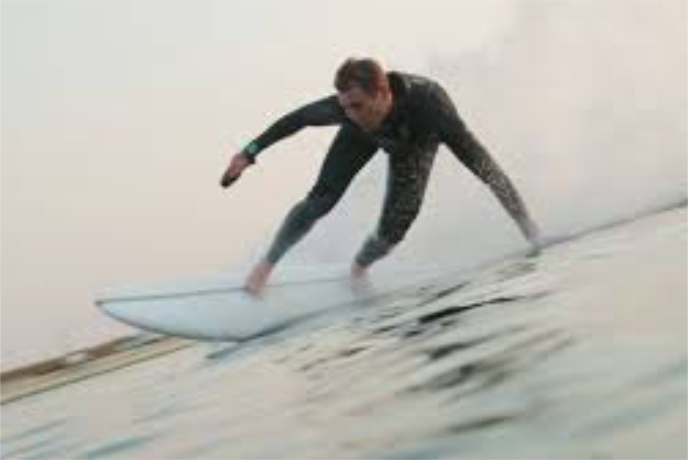
A Florida surfer described his first carve this way:
“It just felt right. Like the board wanted to stay connected.”
He was describing continuity between turns, the way the board settles when you ease off throttle instead of snapping out of line.
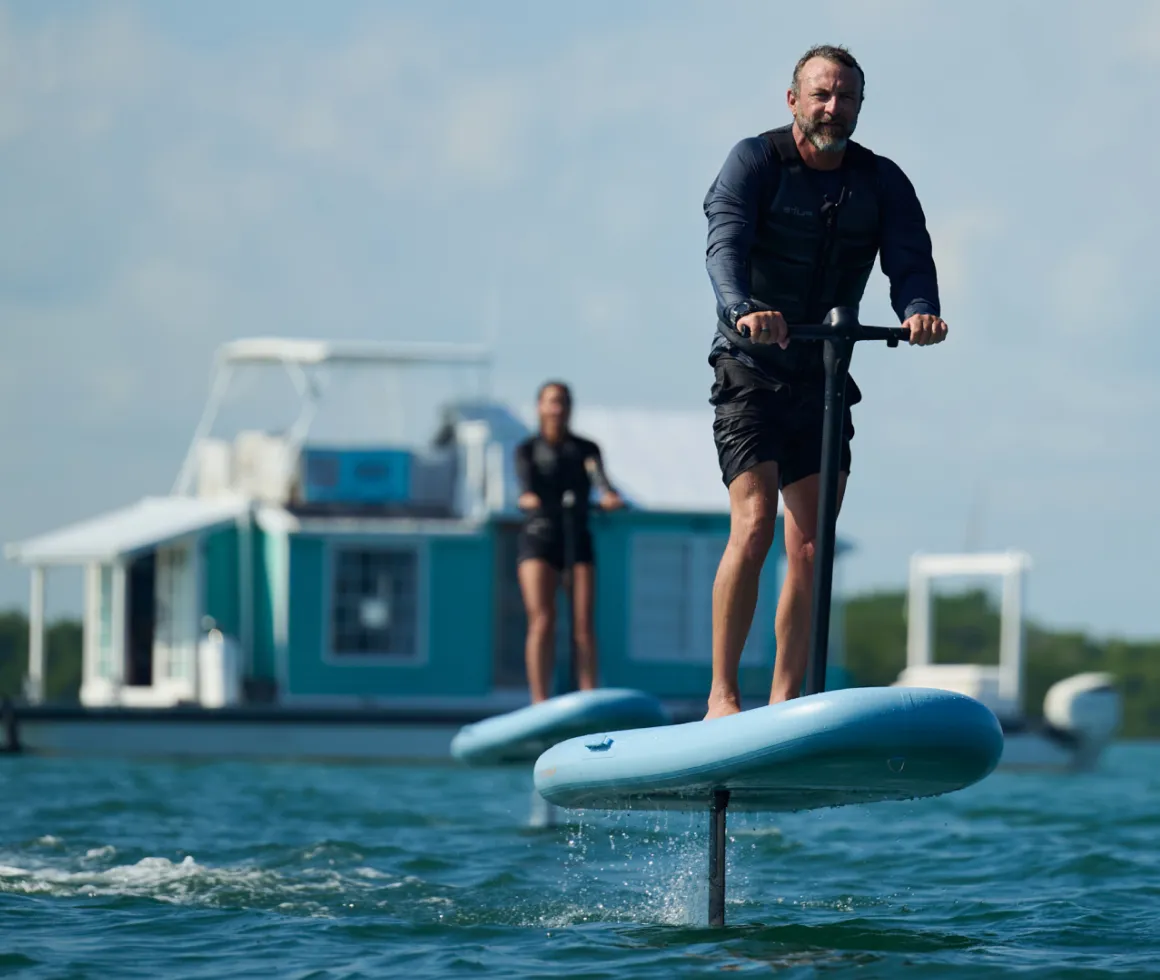
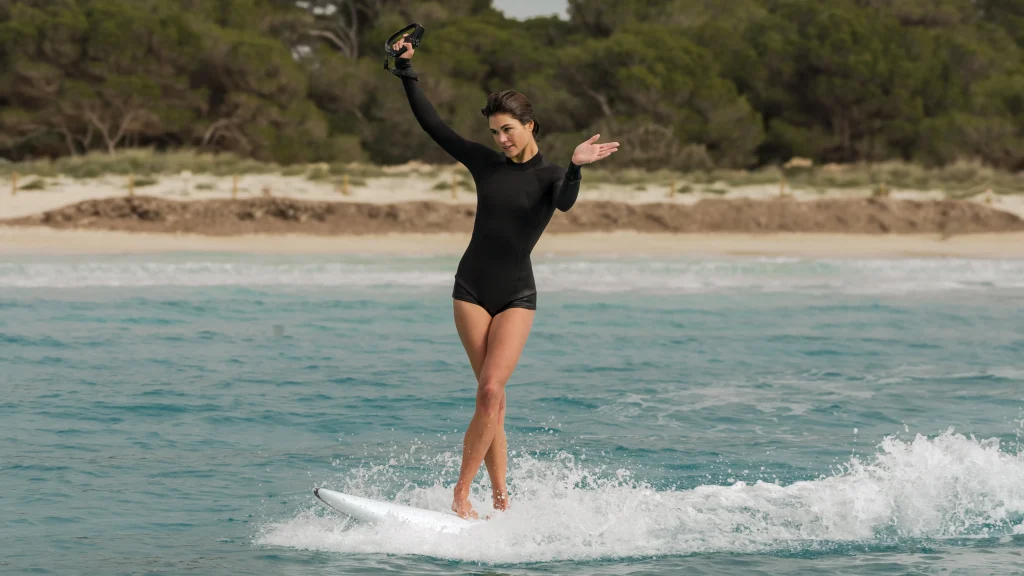
A Lake Powell boat owner called it effortless glide. The board planes cleanly. Spray stays low. Even near thirty miles per hour, it feels composed. The rail engages clearly. Acceleration stays smooth.
A 30A homeowner described it simply as stable. That word matters. The first reaction is excitement. The second is recognition. It feels deliberate rather than theatrical.
The First 10 Seconds: Where Control Becomes Obvious
The first ten seconds are about calibration.
The standout is not speed. It is precision in throttle response. Subtle input creates measurable change. Ease off slightly, and the board adjusts instantly. No delay. No exaggerated jump.
You are not managing power. You are shaping propulsion.
Your stance stays relaxed. Knees soft. Shoulders square. The board holds a predictable line, so you focus on direction instead of correction. Weight distribution feels neutral. The nose does not float. The tail does not sink.
What changes first is confidence. On many powered boards, riders stabilize first. On this one, you begin directing almost immediately. Once trust settles in, you stop thinking about the motor.
That is when the ride opens up and control becomes instinctive.
Surface Contact vs Foil Lift: Why It Feels Different
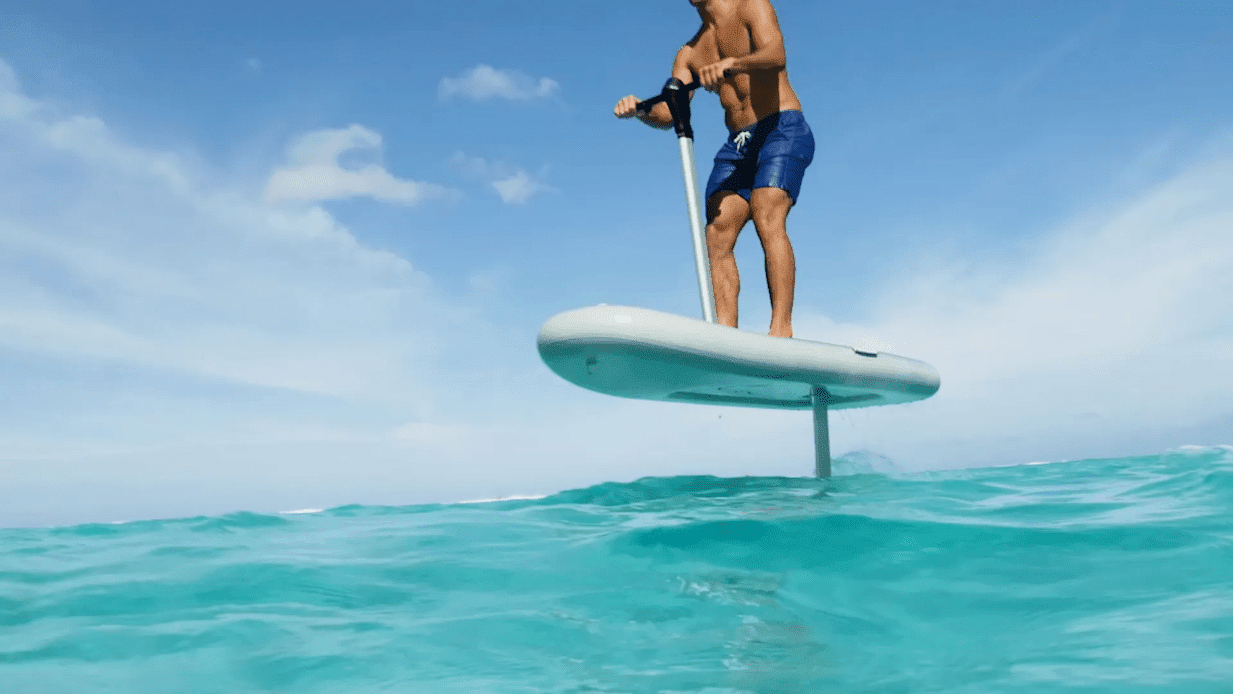
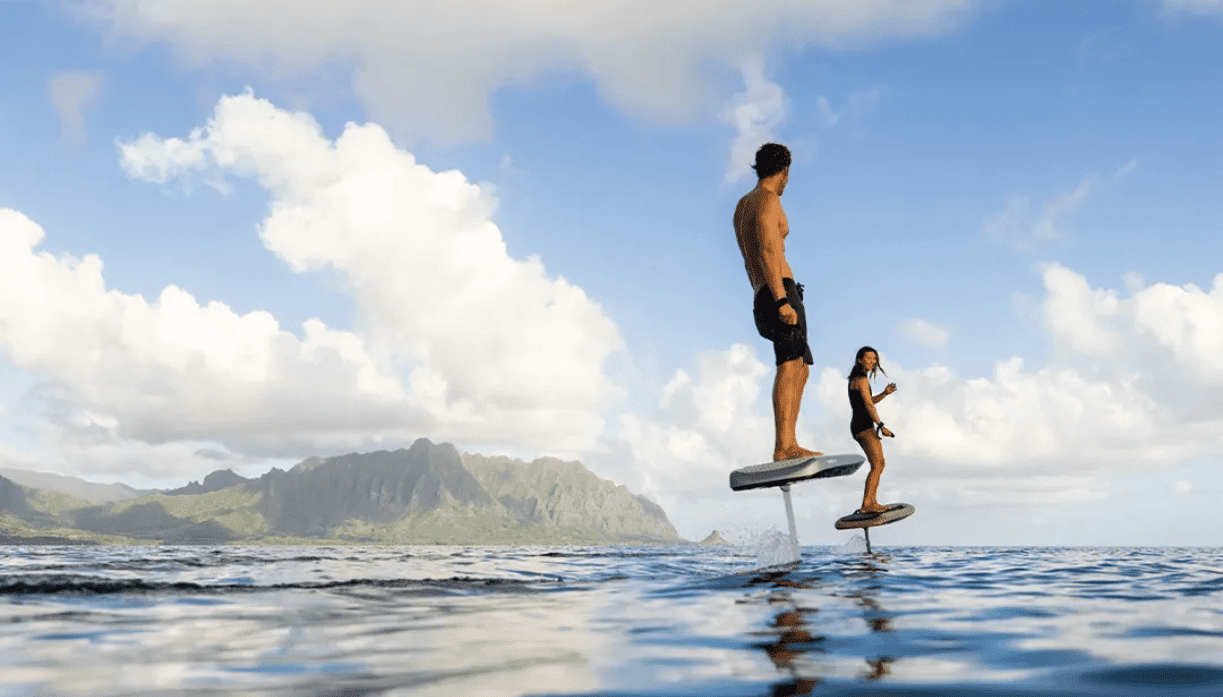
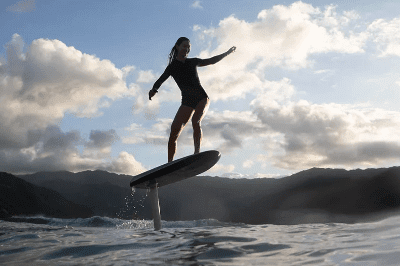
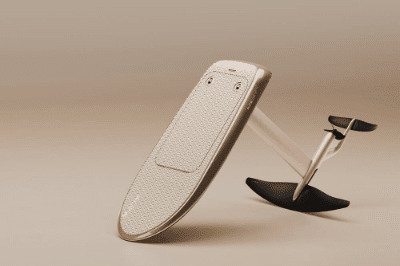
Some electric boards are built to rise above the water. Lift becomes the objective. Once airborne, the sensation isolates you from the surface.
The 2026 Lind stays engaged.
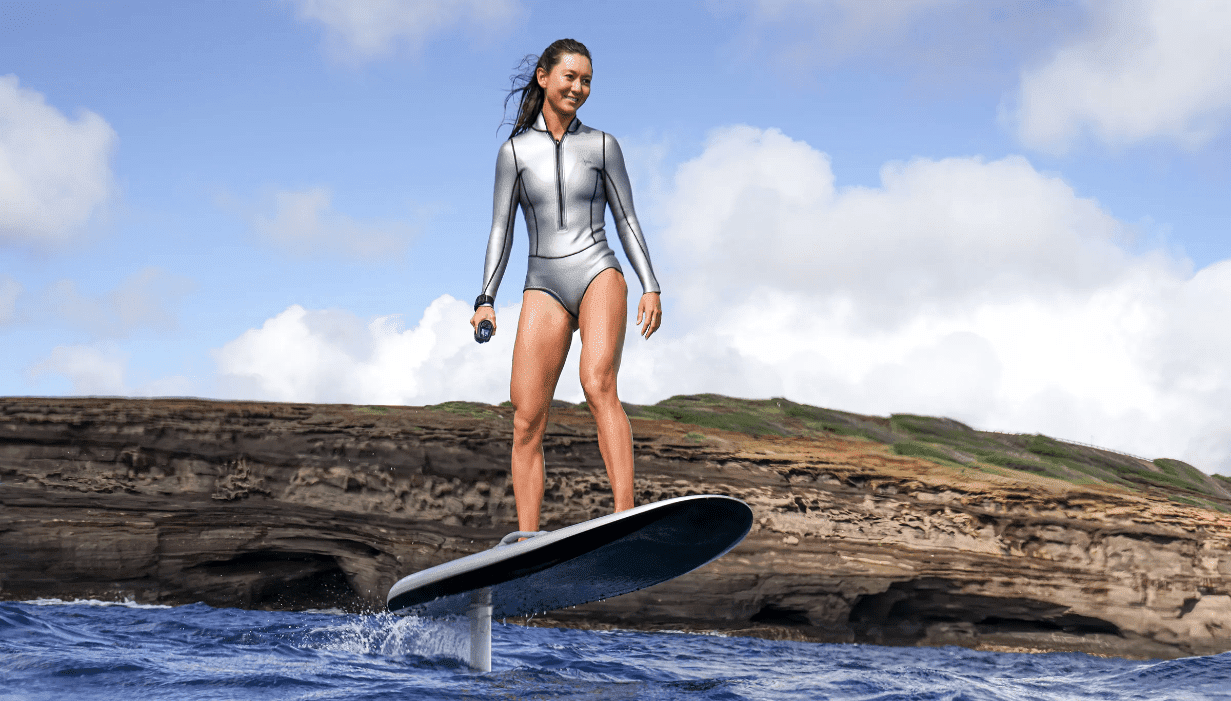
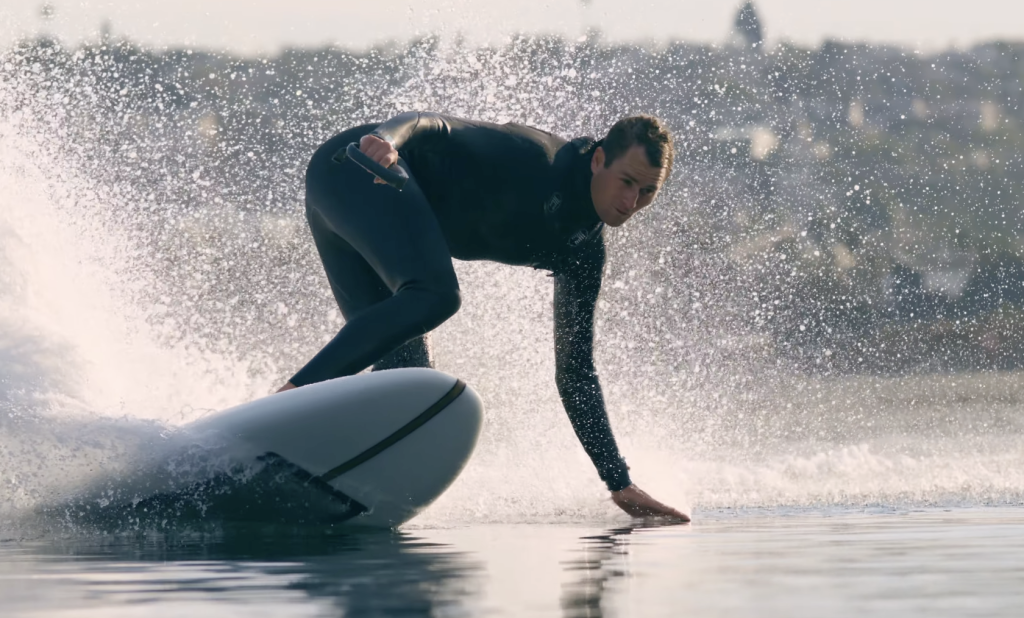
It planes across the water. You feel resistance. You feel spray. The rail carves instead of hovering. That constant feedback creates a continuous surface connection.
Foil lift feels serene. Surface propulsion feels alive. Neither is better, they are different.
Foiling removes drag and elevates efficiency. Surface riding preserves rail engagement and lateral feedback. It rewards positioning and timing.
If you prefer elevation, lift makes sense. If you prefer texture and carve, staying planted feels natural. That is why the Lind feels grounded rather than airborne.
Why It Doesn’t Feel Like a Machine
Many high output boards eventually feel mechanical. You sense drivetrain and mass.
That is not the case here.
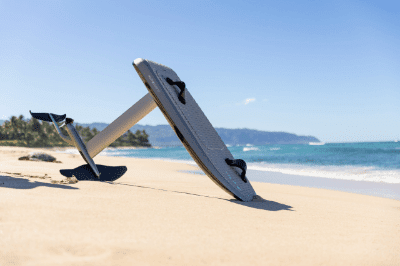
The Lind was built to preserve surf form. The motor, battery, and internal architecture are integrated so the board behaves like a surfboard first. Internally, the philosophy is simple, hide the tech.
Rail lines stay clean. Proportions stay familiar. You see a board, not equipment.
Traditional construction such as an EPS core and epoxy lamination preserve flex and response. Underneath sits a 20kW propulsion system with refined throttle mapping and thermal management. It is powerful, delivered through a controlled thrust curve that prioritizes stability over shock.
You know power is there. You are not constantly reminded of it. That creates a cohesive riding experience.
The Decision to Hide the Machine
Early electric boards built around the drivetrain. Motors dictated proportions. The result often felt industrial.
The Lind reversed that order.
Rail lines, rocker profile, and proportions came first. The propulsion system adapted to those choices. That design discipline over visible hardware protects the identity of a surfboard.
Industrial designers, engineers, and experienced shapers collaborated so engineering lives beneath the form. You step on a surfboard silhouette, not a mechanical device.
That decision, made long before you ride, is why the experience feels intentional and unified.
What 20kW Actually Feels Like at Speed
Speed shifts the conversation.
At moderate pace, you shape lines. At higher velocity, measurable load builds underfoot. The board firms against the surface. You feel compression rather than lift.
At thirty five miles per hour and beyond, airflow changes posture. Shoulders narrow. Weight centers. Small stance adjustments create larger directional shifts.
When carving at speed, the outside rail digs deeper. Water tension increases. The arc feels heavier and proportional. Light surface texture registers as feedback, not instability.
What stands out most is predictability. No sudden release. No slide. The line completes as initiated.
Twenty kilowatts is not about peak numbers. It is about behavior under real forces and how the platform remains stable at sustained velocity.
Who This Feeling Is For
Not every rider wants this response.
Some want thrill. Some want elevation. Some want simplicity.
This platform resonates with riders who notice detail. People who value disciplined power delivery, who feel the difference between mid range speed and sustained pace.
It connects with experienced surfers, private boat owners, and 30A second home owners who value quiet mornings and refined engineering.
It is not built for casual experimentation. It is built for ownership over access.
If lowest cost entry is your priority, there are simpler options. If you want detachment from water, foil platforms provide that.
If you value surface engagement paired with intentional design, this makes sense quickly.
Flat Water Changes Everything
Flat water removes distraction.
No swell. No external energy. Every input shows up in your line. In places like Lake Powell and along the Emerald Coast, glass mornings expose throttle smoothness and balance immediately.
A slight lean. A slight throttle increase. Response must feel proportional.
In calm conditions, riders hold lines longer. Turns widen. Speed becomes measured. You focus on shape instead of acceleration.
Many assume high output is unnecessary on calm water. In practice, controlled power becomes more noticeable without external energy.
Flat water makes the ride honest. It highlights refined propulsion over raw output.
On paper, twenty kilowatts can sound excessive for calm water. But flat water exposes control.
Most owners rarely ride at full throttle. What stands out instead is usable power headroom and how stable the platform feels at lower speeds.
A Lake Powell rider described it as smoother and more planted even when not riding fast.
If you cruise, it cruises cleanly. If you push speed, it responds. If you stay between, it remains composed.
Flat water does not make the Lind excessive. It makes refinement more visible and highlights precision at low and mid range speeds.
Why Some Electric Boards Feel Industrial
Surfers notice when something feels mechanical.
Often, propulsion dictates shape. Silhouette shifts. Rail profile adapts to hardware instead of hydrodynamics.
The Lind began with surf geometry. Propulsion was integrated into an existing philosophy of balance.
A Florida surfer summarized it simply, it feels more like a board.
Speed impresses. Lift excites. But proportion determines authenticity.
If a board feels powerful but not right, the issue is often design hierarchy, not horsepower.
Is It Worth It for a 30A Vacation Home Owner?
For many 30A homeowners, the question is fit.
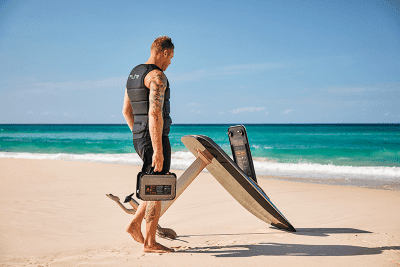
Coastal properties here are curated. Equipment must be quiet, refined, reliable. The Lind does not feel like a novelty. It deploys quickly. It runs cleanly. It stores without complication.
A homeowner who replaced a jet ski said it fits the mornings better.
On quiet Gulf mornings, you ride fifteen or twenty minutes. You return without noise or spectacle. It becomes part of the routine.
The value question shifts from price to does it feel intentional.
If it does, it belongs within a curated dock lineup and aligns with luxury marine expectations.
Built for the Luxury Marine Segment
The 2026 Lind was not built for entry level competition. It was engineered to exist alongside performance marine equipment.
Materials prioritize durability and response. Electronics and cooling systems reflect sustained reliability. This is marine grade discipline, not marketing flash.
In higher end boating environments, equipment must behave predictably and store cleanly. Owners expect systems that feel resolved.
The Lind appeals to owners who recognize the difference between novelty and platform. It signals long term relevance within a curated fleet and reflects refinement through consistency.
The Lind is not entry level. It is not spectacle driven. It is built for riders who value measured performance over noise.
The only meaningful evaluation happens on the water, in the conditions you actually ride. Glass mornings along the Emerald Coast. Calm stretches behind a private dock. Open Gulf days with light surface texture.
You will either feel the difference immediately, or you will not.
If you want clarity rather than speculation, schedule a session. Ride it. Adjust the throttle yourself. Lean into a real carve.
The board will tell you the rest.
Frequently Asked Questions About the 2026 Lind Electric Surfboard
Is the 2026 Lind electric surfboard too powerful for calm water like Lake Powell?
No. The 20kW system provides headroom, not mandatory speed. Most owners rarely use full output. On calm water, what matters is throttle precision and balance. The Lind allows you to cruise smoothly at moderate speed while maintaining predictable response. The extra power simply ensures the board never feels strained.
Can you ride the 2026 Lind in shallow water on 30A?
Yes, with appropriate awareness of depth. Because the Lind is surface-driven rather than foil-based, it does not require the underwater clearance that eFoils do. That makes it more practical near sandbars, docks, and shallower areas along 30A and Lake Powell. For a deeper breakdown of depth considerations, see our guide to riding the Lind in shallow water on 30A and Lake Powell.
How does the Lind feel compared to an eFoil?
An eFoil lifts you above the water. The Lind planes across it. If you prefer elevation and silent glide, foiling offers that experience. If you prefer rail engagement, surface feedback, and carving that feels closer to traditional surfing, the Lind delivers that sensation. The difference is not about better or worse. It is about contact versus lift.
Is the 2026 Lind suitable for experienced surfers?
Yes, and many experienced surfers adapt quickly. Because the board preserves surf geometry and rail response, riders with traditional surf backgrounds often describe the transition as intuitive. The learning curve is typically about throttle modulation rather than balance.
Is the Lind difficult to learn for beginners?
It depends on expectations. If someone has no board sport experience, there will be a learning curve. However, because the board stays on the surface rather than lifting above it, many riders find it more approachable than foil-based systems. Initial sessions focus on stance and controlled throttle input.
Why is the Lind priced higher than many electric surfboards?
The pricing reflects construction, propulsion density, and positioning. The Lind is built with surfboard-based materials and marine-grade engineering rather than molded recreational construction. It is positioned in the high-end marine segment, alongside premium tenders and performance watercraft. It is not built to compete in entry-level categories.
What kind of maintenance does the Lind require?
Routine care is straightforward. Rinse after saltwater use, follow battery storage guidelines, and perform periodic inspections as recommended. The propulsion and cooling systems are designed for marine durability, not one-season novelty use. For specific maintenance schedules, Hamish can walk you through ownership expectations.
Can Emerald Wake deliver the Lind on the Emerald Coast?
Yes. Emerald Wake can arrange ordering and delivery along the Emerald Coast. If you want to discuss fit for your water conditions, storage setup, or dock access, call Hamish directly at (850) 400-8500. You can also view current availability on the Lind Electric Surfboard product page.